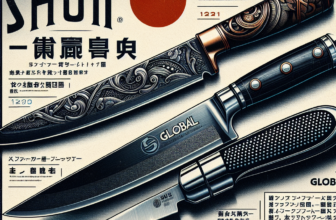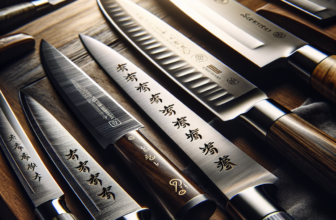

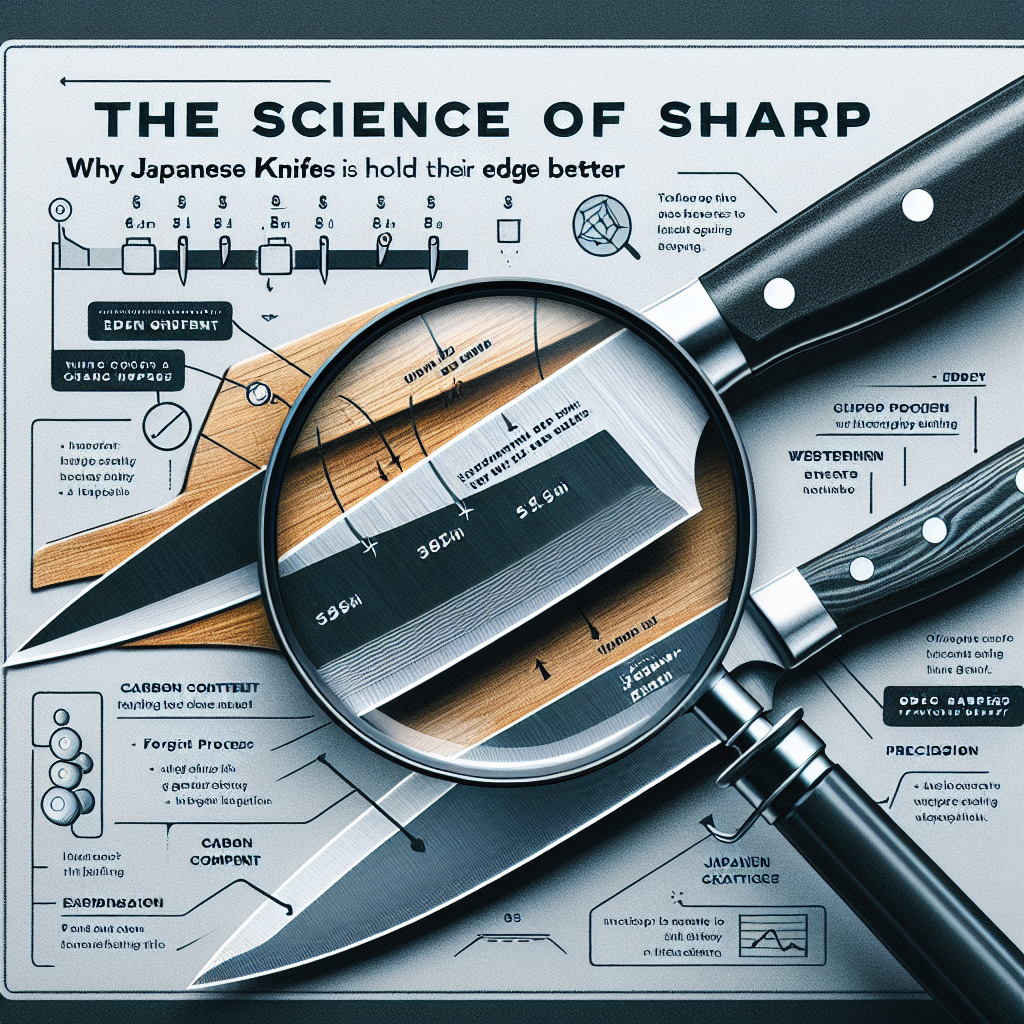
When it comes to kitchen tools, few items are as revered and meticulously crafted as Japanese knives. Known for their precision, durability, and ability to retain sharpness, these knives have a loyal following among chefs and home cooks alike. The science behind why Japanese knives hold their edge better than others lies in a combination of traditional techniques, unique materials, and expert craftsmanship. In this article, we will delve into the key components that contribute to the exceptional sharpness of Japanese knives.
The Art of Japanese Knife Making
Historical Context
Japanese knife making has a rich history that dates back centuries. Originally developed for sword-making, techniques were adapted to create kitchen knives that combined functionality with artistry. Each blade tells a story rich in heritage, reflecting the dedication and skill passed down through generations.
Types of Japanese Knives
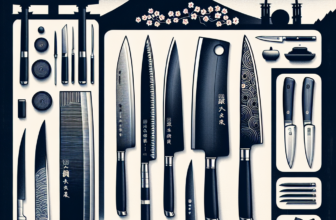
Not all Japanese knives are created equal. There are several types, each designed for specific culinary tasks.
-
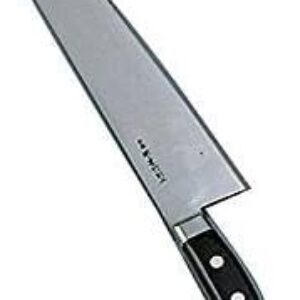
Gyuto: Often referred to as the Japanese chef’s knife, it’s versatile for slicing, dicing, and chopping.
-
Santoku: Known for its flat edge and rounded tip, the Santoku is designed for a variety of tasks including chopping, mincing, and slicing.
-
Nakiri: Specialized for cutting vegetables, this knife features a straight edge that ensures precise cuts.
Traditional Craftsmanship
The craftsmanship behind Japanese knives is meticulous. Master artisans spend years honing their skills, often beginning as apprentices. The traditional methods include using high-quality steel that allows the knives to be sharpened to a fine edge. This craftsmanship is crucial for maintaining sharpness over time.
Materials that Matter
High-Carbon Steel
One of the primary factors that contribute to the superior sharpness of Japanese knives is the type of steel used. High-carbon steel is commonly utilized in Japanese knife production, offering several advantages:
-
Edge Retention: High-carbon steel can be sharpened to a finer edge than stainless steel and holds that edge longer under use.
-
Ease of Sharpening: While it may require some maintenance, high-carbon steel is often easier to sharpen than other types of steel.
-
Durability: Properly treated high-carbon steel offers excellent resistance to chipping and wear.
Damascus Steel
Another hallmark of high-quality Japanese knives is the use of Damascus steel. This involves layering different types of steel to create a blade that is not only strong but also aesthetically beautiful. Notable properties include:
-
Unique Patterns: The layering process produces stunning visual patterns on the blade, making each knife one-of-a-kind.
-
Enhanced Strength: The combination of different steels allows for improved strength and flexibility, contributing to better edge retention.
The Geometry of Sharpness
Blade Angle
Japanese knives typically feature a sharper blade angle compared to their Western counterparts, which contributes to their cutting efficiency.
-
Single Bevel vs. Double Bevel: Many traditional Japanese knives have a single bevel edge, which makes them exceptionally sharp for specific cutting tasks and allows precise control during slicing.
-
Acute Angle: A sharper edge requires less force to cut through food, reducing the risk of crushing delicate ingredients like fish or herbs.
Thin Blade Design
Japanese knives are often thinner than Western knives, which reduces drag while slicing and provides a cleaner cut.
-
Weight reduction: The lightweight design makes them easier to handle for extended periods, allowing chefs to work more efficiently.
-
Precision cutting: A thinner blade also contributes to better control during intricate cutting tasks.
Maintenance and Care
Sharpening Techniques
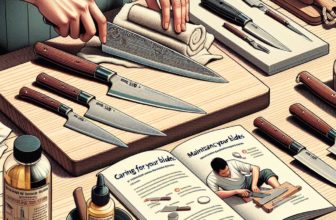
The longevity of a Japanese knife’s edge largely depends on proper sharpening techniques.
-
Whetstones: Using whetstones is the traditional method for sharpening Japanese knives, offering exceptional control and allowing for precise edge angles.
-
Angle Maintenance: Knowing the correct angle for sharpening is vital; most Japanese knives require a sharpening angle between 15-20 degrees.
Storage Solutions
Proper storage is essential to maintain edge sharpness and prevent damage.
-
Magnetic Strips: Magnetic knife holders allow for safe storage without scratching the blades.
-
Wooden Blocks: Dedicated knife blocks can help maintain the integrity of the blade edges by providing soft, non-abrasive surfaces.
Conclusion
Understanding the science behind why Japanese knives hold their edge better can enhance the culinary experience for both professional chefs and home cooks. The combination of historical craftsmanship, high-quality materials, precise geometry, and diligent maintenance contributes to the outstanding performance that has made these knives a staple in kitchens around the world. As you explore the world of Japanese knives, you’ll not only appreciate their functionality but also the artistry that goes into every blade.
FAQs
1. What makes Japanese knives different from Western knives?
Japanese knives typically have sharper angles, are often made from high-carbon or Damascus steel, and feature a thinner blade design, making them ideal for precision cutting.
2. How do I maintain the sharpness of my Japanese knife?
To maintain sharpness, use a whetstone to regularly sharpen your blade, clean it after each use, and store it properly, ideally on a magnetic strip or in a wooden block.
3. Are Japanese knives easy to sharpen?
With the right tools, such as whetstones, Japanese knives can be sharpened reasonably easily. They can maintain a fine edge with proper care compared to other types of knives.
4. Can I use my Japanese knife for all types of food?
While Japanese knives are versatile, it’s essential to use the right type for specific tasks. For example, use a gyuto for general tasks and a nakiri for vegetable slicing.
5. How often should I sharpen my Japanese knife?
The frequency depends on usage; however, a good rule of thumb is to sharpen it every 3-6 months or as soon as you notice a decline in cutting performance.
6. Is it safe to use a Japanese knife for prep work in a professional kitchen?
Yes, Japanese knives are designed for efficiency and precision, making them suitable for both home and professional kitchens, provided they are used correctly.
7. Why is high-carbon steel preferred for Japanese knives?
High-carbon steel is valued for its ability to maintain a sharp edge, ease of sharpening, and overall durability, making it an excellent choice for quality knives.
By understanding and appreciating the science behind sharpness, you can enhance your cooking experience and make informed decisions when choosing and maintaining your kitchen tools.
The Best Japanese Knives from Sakai Takayuki: Complete Guide
If you’re looking for the best Japanese knives, don’t miss exploring our selection of Sakai Takayuki knives to discover the finest handcrafted blades.