Shun vs. Global: A Comparative Review of Popular Japanese Knife Brands

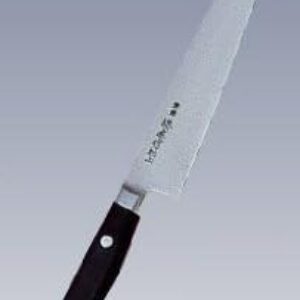

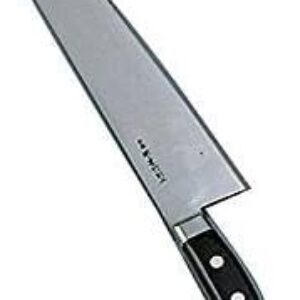
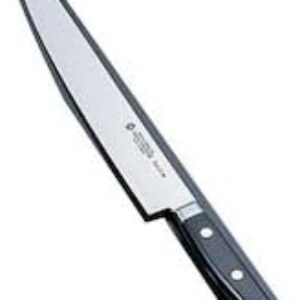
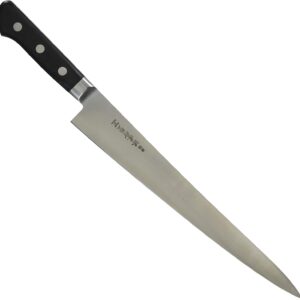
In the world of culinary arts, choosing the right knife can make a significant difference in both preparation and presentation. Among the sea of options, two Japanese knife brands stand out: Shun and Global. Both carry extensive legacies of craftsmanship and performance, but they cater to different preferences, styles, and needs. In this comparative review of Shun vs. Global, we will delve into the intricacies of each brand, exploring their design philosophy, blade construction, handle materials, performance, price points, and care requirements.
Design Philosophy: Bridging Tradition and Modernity
The Art of Shun Knives
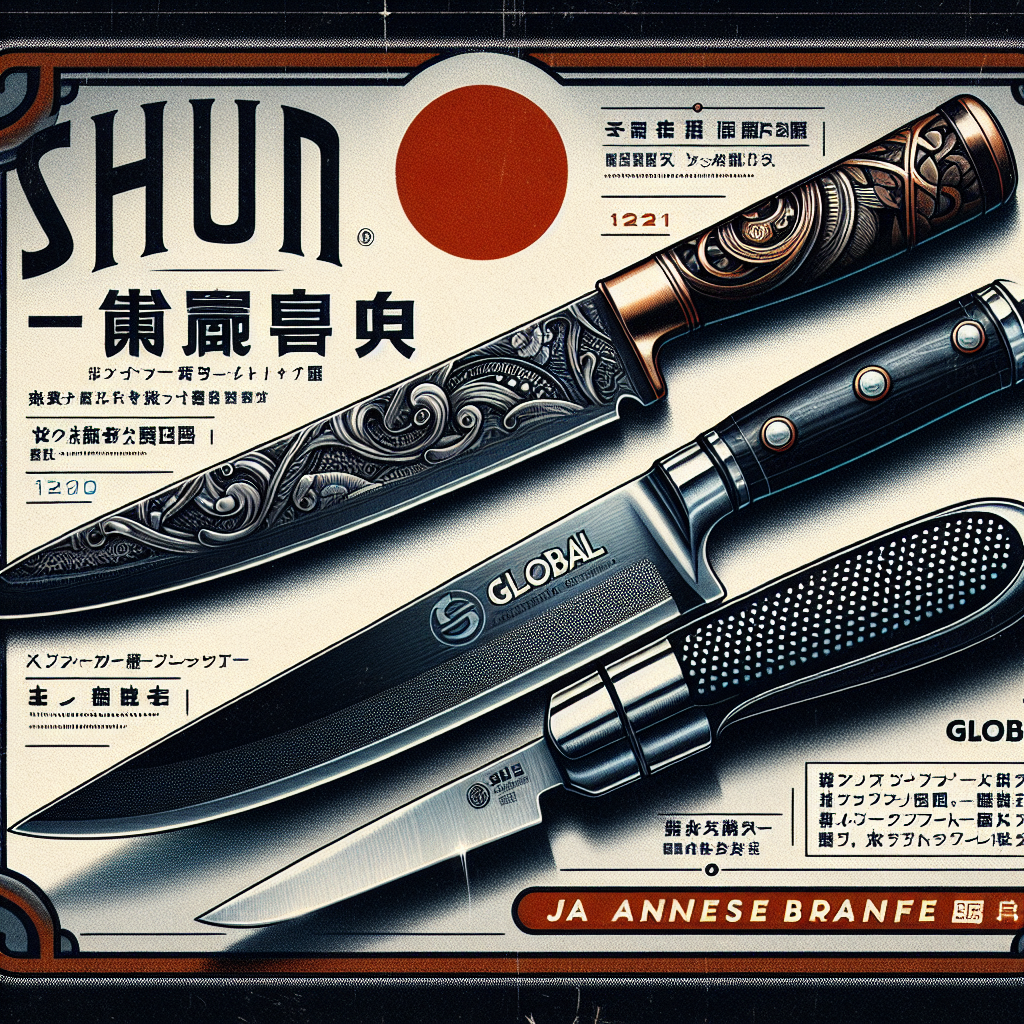
Shun knives are crafted using traditional Japanese techniques with a modern twist. The brand emphasizes the quality of materials and the artistry behind every piece. Combining high-carbon stainless steel with intricate Damascus patterns, Shun knives not only perform exceptionally well but also boast stunning aesthetics. This marriage of form and function is appealing to chefs who appreciate both artistry and performance.
Global’s Modern Minimalism
On the other hand, Global knives are easily recognizable due to their sleek, modern design. They are crafted from a single piece of stainless steel, which not only gives them a contemporary look but also enhances their strength and durability. Global’s emphasis is on functionality, making them an excellent choice for chefs who prefer a lightweight and balanced knife that’s easy to maneuver.
Blade Construction: Performance and Durability
Shun’s Superior Craftsmanship
Shun knives employ a layered construction technique, often consisting of 32 layers of stainless steel. This not only grants each blade exceptional sharpness but also increases resistance to rust and chipping. The central core, made with VG-MAX steel, is designed for superior edge retention. Sharpness is maintained longer, reducing the frequency of honing or sharpening.
Global’s Innovative Materials
Global knives are forged from a single piece of high-carbon stainless steel, typically using a proprietary blend of chrome and molybdenum. The benefit? The blades are harder than many competitors, which translates into a longer lifespan and less frequent sharpening requirements. However, the downside can sometimes be that they are prone to chipping if used improperly, particularly for tasks involving bone or tough produce.
Handle Materials: Comfort Over Time
Ergonomic Elegance of Shun
Shun handles offer an elegant D-shape that fits comfortably in the hand, crafted from Pakkawood or resin-coated materials which provide excellent grip and stability. The design caters to professional and home chefs alike, promoting a comfortable cutting experience even during prolonged use.
Global’s Distinct Design
Global’s handles are equally functional, made from stainless steel and featuring a signature dimpled pattern. While they are sleek and eye-catching, some users report that they can feel less comfortable than Shun’s ergonomic options, especially when used for extended periods. However, the maintenance is simpler—stainless steel resist staining and can be washed easily.
Performance Comparison: Which Knives Reign Supreme?
Cutting Performance of Shun
Shun knives are often favored for their precision slicing capabilities, especially with delicate ingredients such as fish and herbs. The acute angle at which Shun blades are sharpened, usually around 16 degrees, allows for incredibly fine cuts. Chefs who handle intricate tasks will find Shun’s blades a joy to use.
Global’s Versatility
Global knives shine in their versatility. The blades are designed to handle tougher ingredients seamlessly, making them suitable for various tasks from dicing to chopping. Their edge angle is about 15 degrees, contributing to superlative sharpness. However, they may not slice as delicately as Shun knives, thus catering to chefs looking for a well-rounded option.
Price Points: Investment vs. Cost-Effective Options
The Price of Excellence in Shun
Shun knives tend to be on the higher end of the price spectrum, often viewed as an investment for serious cooks. The craftsmanship, high-quality materials, and aesthetic value contribute to their premium pricing. While this may deter hobbyists or beginner cooks, many professional chefs swear by their performance.
Global: Affordable Quality
In contrast, Global knives are often more affordable while still offering excellent performance. They come in a range of prices, accommodating both novice cooks and seasoned chefs seeking professional-quality tools without breaking the bank. This evokes a sense of accessibility compared to Shun’s luxury appeal.
Care Requirements: Longevity of Your Investment
Shun’s Maintenance Needs
To maintain the longevity of Shun knives, a simple routine of handwashing and drying immediately after use is essential. Regular honing and occasional professional sharpening can help keep the edge intact. Additionally, using a cutting board made from softer materials like wood or plastic helps reduce wear.
Global’s Robust Care
Global knives also require careful handling, with similar maintenance needs of handwashing to avoid damage. Their stainless-steel construction makes them resistant to rust, but caution is still necessary. Proper storage is crucial, and magnetic strips or knife blocks can help keep blades safe.
FAQ Section
1. What is the main difference between Shun and Global knives?
Shun knives emphasize traditional craftsmanship and aesthetics, featuring layered construction, while Global knives are known for their minimalistic, one-piece design focused on functionality.
2. Are Shun knives worth their price?
Many chefs consider Shun knives a worthwhile investment due to their high-quality materials, superb sharpness, and aesthetic appeal. They are particularly favored by professionals.
3. Which brand is better for beginners: Shun or Global?
Global knives may be more suitable for beginners due to their affordability and ease of maintenance. However, Shun knives offer excellent performance for those willing to invest.
4. How should I care for my Shun knives?
To maintain Shun knives, hand wash them, dry immediately, hone regularly, and avoid cutting on hard surfaces to prevent dulling.
5. Do Global knives chip easily?
While Global knives are durable, they can chip if used on hard surfaces or for unsuitable tasks. Proper usage can help retain their sharp edges.
6. Can I use Global knives for delicate tasks?
Global knives are versatile but may not perform as finely as Shun knives for delicate tasks. They are better suited for general kitchen use.
7. What should I consider when choosing between Shun and Global?
Consider your cooking style, the level of investment you want to make, and how much maintenance you’re willing to commit to each brand. Your personal preference in design and balance should also weigh in your decision.
In conclusion, whether you choose Shun or Global knives ultimately depends on your individual needs as a chef, your sense of style, and how much you’re willing to invest in your kitchen arsenal. Both brands offer exceptional knives deserving a place in any culinary enthusiast’s toolset.
The Best Japanese Knives from Sakai Takayuki: Complete Guide
If you’re looking for the best Japanese knives, don’t miss exploring our selection of Sakai Takayuki knives to discover the finest handcrafted blades.