
Introduction
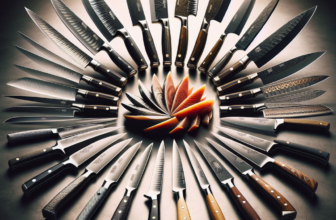
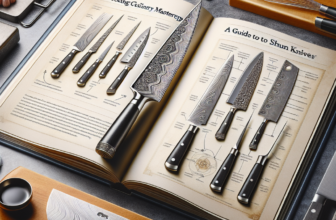
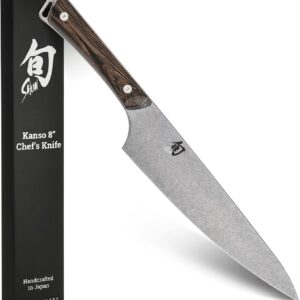
Japanese Shun knives are renowned for their exceptional craftsmanship, unparalleled sharpness, and exquisite beauty. Derived from the Japanese word «shun,» meaning «to bring forth,» these knives signify a time when ingredients are at their peak. The artistry of Shun knives marries traditional Japanese knife-making techniques with modern technology, resulting in tools that are not only functional but also works of art. In this article, we will delve into the fascinating history and intricate craftsmanship of Shun knives, exploring their origins, manufacturing processes, and significance in culinary practices worldwide.
The Historical Background of Japanese Knives
Origins of Japanese Knife-Making
Japanese knife-making dates back more than 700 years, originating in regions such as Sakai, which is often regarded as the birthplace of high-quality knives. The traditional craftsmanship here involves folding layers of steel to create durable yet flexible blades, similar to the techniques used in samurai sword-making. This history is critical to understanding why Shun knives are revered today.
Edo Period Innovations
During the Edo period (1603-1868), Japan experienced significant cultural and economic growth, leading to advancements in various crafts, including knife-making. Artisans began to focus on specialized knives for different culinary tasks, resulting in a diverse range that catered to the needs of Japanese cuisine. This era established foundational methods that continue to influence modern knife-making.
The Influence of Western Techniques
In the late 19th and early 20th centuries, Western influence on Japan brought about new materials and techniques, further evolving the craft of knife-making. Stainless steel, for instance, began to be incorporated into traditional designs, improving functionality and maintenance. The blending of ancient techniques with new materials laid the groundwork for the development of Shun knives.
Craftsmanship Behind Shun Knives
Quality of Materials
A hallmark of Shun knives is their use of high-quality materials. The blades are made from VG-Max steel, a proprietary formula developed to enhance durability and corrosion resistance. This steel contains additional ingredients, such as cobalt, which contribute to the knife’s strength and sharpness. The use of a composite blade structure, often incorporating a high-carbon steel core surrounded by softer stainless steel, allows for a perfect balance of sharpness and resilience.
The Blade Production Process
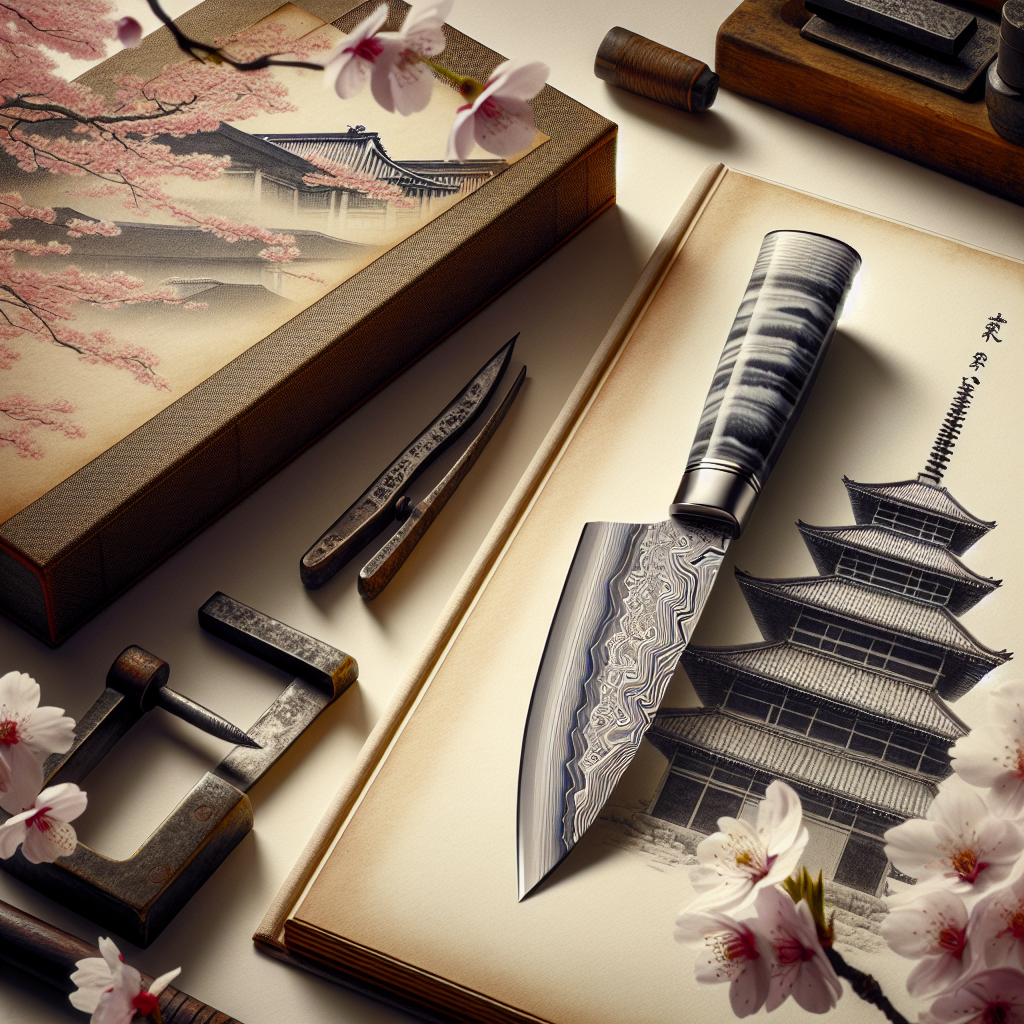
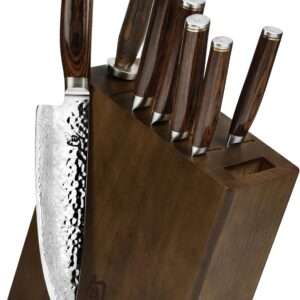
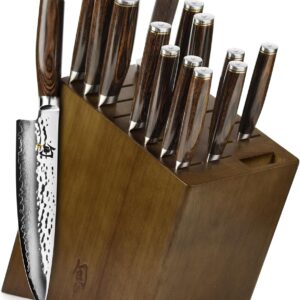
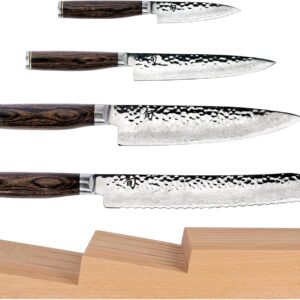
The journey of a Shun knife begins with the meticulous forging process. Skilled artisans heat and shape layers of steel to form a single blade. This results in a Damascus pattern, which is not just visually stunning but also indicative of the blade’s strength and sharpness. Each blade undergoes rigorous sharpening, utilizing a traditional technique called «sharpening on the whetstone,» ensuring that the edge remains incredibly sharp.
Handle Design and Materials
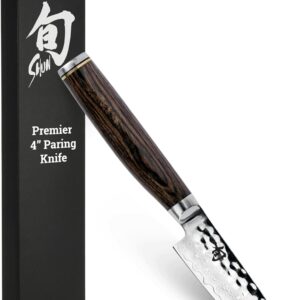
The handles of Shun knives are as thoughtfully designed as the blades. Typically crafted from resin-treated PakkaWood, a material that boasts water resistance and stability, Shun handles are ergonomically shaped for a comfortable grip. The combination of beauty and practicality in handle design enhances user experience, allowing chefs to perform precise cuts with ease.
Attention to Detail in Finishing
The finishing process of Shun knives showcases the artistry involved. Each knife is subjected to a meticulous polishing process that enhances its aesthetic appeal while ensuring the blade’s longevity. The final product is both functional and visually striking, making it a centerpiece in any kitchen.
The Role of Shun Knives in Culinary Arts
Enhancing Culinary Performance
For professional chefs and home cooks alike, Shun knives enhance culinary performance. The unparalleled sharpness allows for precision cuts, which are crucial for presentation and texture. Ingredients retain their integrity, leading to improved flavors and visual appeal in dishes.
Cultural Significance in Japanese Cuisine
In Japanese cuisine, the knife is considered an extension of the chef’s hand. A Shun knife embodies this philosophy, blending formal craftsmanship with cultural significance. Knives are often passed down through generations, symbolizing the importance of cooking traditions and the respect for ingredients.
Global Recognition and Popularity
Shun knives have gained global recognition for their quality and design. Chefs and cooking enthusiasts around the world praise their performance and aesthetics, leading to their inclusion in many culinary schools and professional kitchens. The international demand for Shun knives continues to grow, solidifying their status as a premium kitchen tool.
FAQs About Japanese Shun Knives
1. What makes Shun knives different from other Japanese knives?
Shun knives stand out due to their high-quality VG-Max steel, unique Damascus blade patterns, and ergonomic handle designs that emphasize both functionality and aesthetics. These elements combined with traditional craftsmanship create a superior product.
2. How should I care for my Shun knife?
To maintain your Shun knife, always hand wash it with mild soap and warm water. Avoid using the dishwasher, and regularly hone the blade with a whetstone to keep its edge.
3. Are Shun knives worth the price?
Yes, Shun knives are considered a worthwhile investment due to their exceptional craftsmanship, durability, and performance. They can enhance the culinary experience, making them favored by both professional chefs and enthusiasts.
4. Can I use Shun knives for all types of food?
While Shun knives are versatile and suitable for various types of food, it’s recommended to use the appropriate knife for specific tasks to ensure optimal performance and longevity.
5. Do Shun knives come with a warranty?
Yes, Shun offers a limited lifetime warranty on their knives, covering defects in material and workmanship, which underscores their commitment to quality.
6. What types of Shun knives are essential for a home chef?
At minimum, a good home chef should consider a chef’s knife, paring knife, and utility knife. These essentials cover most culinary tasks efficiently.
7. Where can I purchase authentic Shun knives?
Authentic Shun knives are available through specialty kitchenware stores, select retailers, and directly through the Shun website. Ensure you are buying from reputable sources to avoid counterfeit products.
Conclusion
In conclusion, the history and craftsmanship behind Japanese Shun knives reflect a rich tradition of skilled artistry and innovative techniques. From their origins in ancient Japan to their recognition on the global stage, Shun knives represent the perfect melding of form and function. They not only enhance culinary creations but are also a testament to the enduring legacy of Japanese craftsmanship. If you’re looking to elevate your cooking experience, investing in a Shun knife is a step towards achieving unparalleled culinary excellence.
The Best Japanese Knives from Sakai Takayuki: Complete Guide
If you’re looking for the best Japanese knives, don’t miss exploring our selection of Shun knives to discover the finest handcrafted blades.
To learn more about the brand and browse its official collections, visit the official Shun Knives website.