
When it comes to cooking, the right tools can make all the difference. For many home chefs, investing in a high-quality Japanese knife can elevate your culinary experience and enhance your cooking skills. This guide will help you choose the perfect Japanese knife, covering various aspects including types of knives, materials, maintenance, and more.
Understanding Japanese Knives
The Essence of Japanese Knives
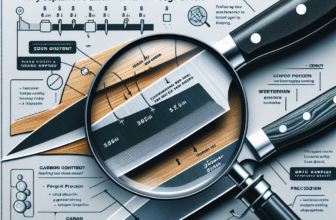
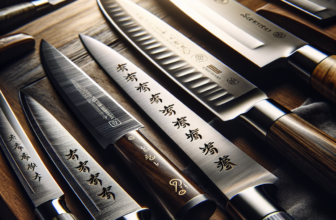
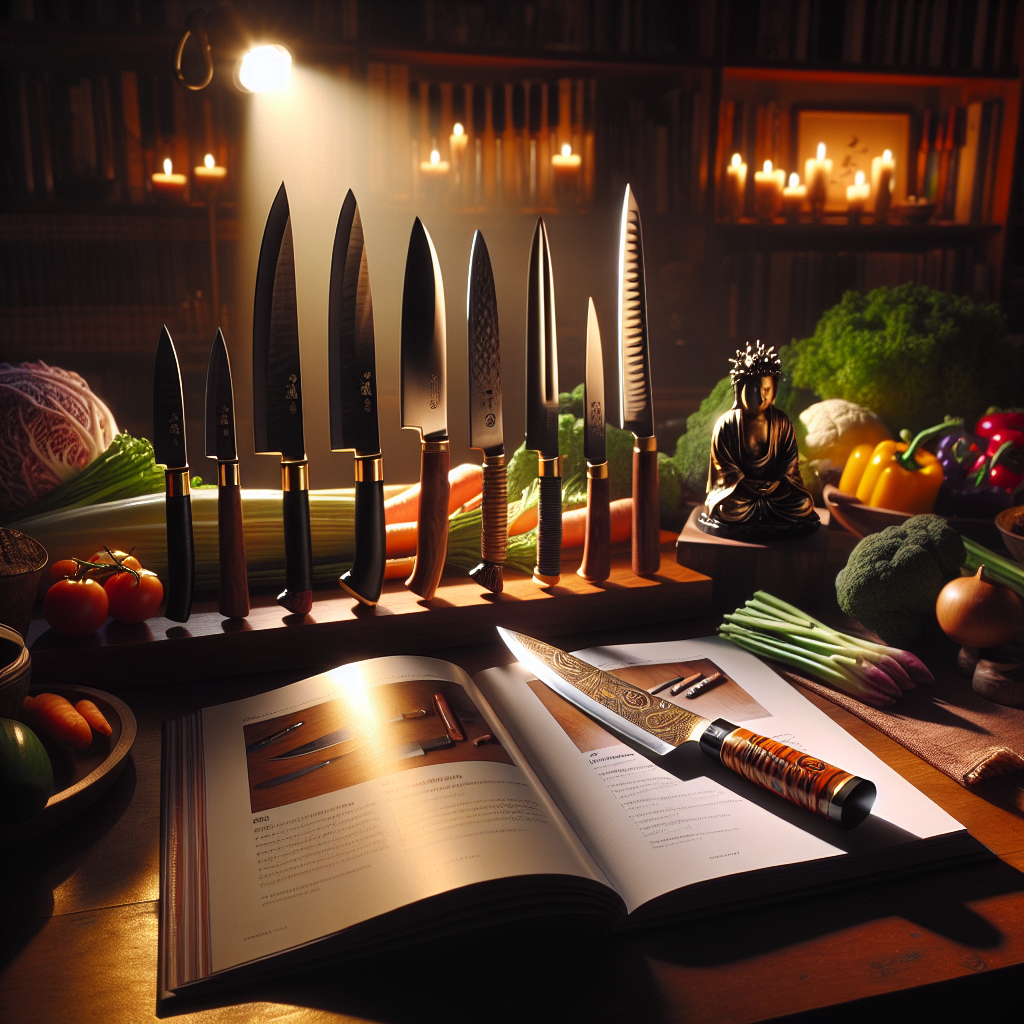
Japanese knives are renowned for their craftsmanship and precision. Traditionally made by skilled artisans, these knives reflect centuries of metalworking perfection. Japanese knives often feature thinner blades compared to their Western counterparts, allowing for more delicate slicing and enhanced control.
Distinct Types of Japanese Knives
-
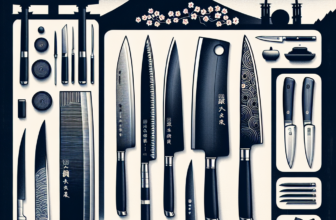
Gyuto (Chef’s Knife)
- A versatile tool suitable for various kitchen tasks.
- Length typically ranges from 210 mm to 300 mm.
- Ideal for slicing meat, fish, and vegetables.
-
Santoku (All-Purpose Knife)
- Known as the «three virtues» knife, excels at slicing, dicing, and mincing.
- Features a flat edge and a shorter blade for better handling.
-
Nakiri (Vegetable Knife)
- Designed specifically for chopping vegetables.
- Its straight edge enables efficient cuts without rocking the knife.
-
Deba (Fish Filleting Knife)
- Heavy and thick blade, perfect for filleting fish.
- Capable of cutting through bones and tough skin.
-
Yanagiba (Slicing Knife)
- Long and thin blade, perfect for sashimi and sushi preparation.
- Offers clean, precise cuts for fish.
Factors to Consider When Choosing a Japanese Knife
Blade Material
The material of the blade significantly affects performance and durability. Here are some common materials used in Japanese knives:
High Carbon Steel
- Pros: Easy to sharpen, offers excellent edge retention.
- Cons: Prone to rusting if not cared for properly.
Stainless Steel
- Pros: Resilient against rust, easier to maintain.
- Cons: May require more frequent sharpening; generally less sharp than carbon steel.
Damascus Steel
- Pros: Combines the best features of carbon and stainless steel; visually stunning patterns.
- Cons: Generally more expensive; may require special care based on composition.
Handle Types
Your knife’s handle is just as crucial as the blade. There are two primary types of handles:
Western-style Handles
- Made from wood or synthetic materials.
- Often larger and rounded, suitable for various grips.
Japanese-style Handles
- Typically made from wood, with a more rectangular shape.
- Often slightly smaller, favoring precise control.
Weight and Balance
The weight of a knife affects how it feels during use. A well-balanced knife will enable better control. Experiment with different weights and shapes to find a knife that suits your cooking style.
Proper Maintenance of Japanese Knives
Sharpening Techniques
Regular sharpening maintains the knife’s edge. Use a whetstone for best results, and follow this procedure:
- Soak the whetstone in water for about 10-20 minutes.
- Place the knife at a 15-20 degree angle against the stone.
- Draw the blade across the stone in a sweeping motion.
- Repeat on both sides until the edge is restored.
Cleaning and Storage
- Cleaning: Avoid putting your Japanese knife in the dishwasher. Instead, wash it by hand using mild soap and water.
- Storage: Use a magnetic strip, a wooden block, or specific knife guards to prevent damage to the blade.
Conclusion: Making Your Choice
When it comes to selecting the right Japanese knife, consider your cooking habits, the types of food you prepare, and how you maintain your tools. With a wide variety of options available, every home chef can benefit from a quality Japanese knife tailored to their specific needs.
FAQ Section
1. What is the difference between a Gyuto and a Santoku knife?
A Gyuto is a versatile chef’s knife suitable for various tasks, while a Santoku is an all-purpose knife known for its balance and straight edge, making it ideal for chopping, dicing, and mincing.
2. How do I properly sharpen my Japanese knife?
Use a whetstone, ensuring that the knife is held at a 15-20 degree angle. Sharpen it by drawing the blade across the stone in a sweeping motion, alternating sides until the edge is sharp.
3. Is it better to buy a Japanese knife made of carbon steel or stainless steel?
It depends on personal preference. Carbon steel offers better edge retention but requires more maintenance to prevent rust, while stainless steel is more resilient but may not hold a sharp edge as long.
4. Can I use my Japanese knife for all types of food?
While Japanese knives are versatile, some types are specialized. For instance, a Nakiri is perfect for vegetables, while a Deba is suited for fish. Choose according to the primary use.
5. How should I clean my Japanese knife?
Wash your knife by hand with mild soap and water. Avoid using a dishwasher, as the harsh conditions may damage the blade.
6. What is the best way to store my Japanese knife?
Store your knife on a magnetic strip, in a wooden block, or use knife guards to protect the blade from damage.
7. Why are Japanese knives so expensive?
Japanese knives reflect artisanal craftsmanship, superior materials, and traditional manufacturing methods, contributing to their higher price point compared to mass-produced knives.
In conclusion, choosing the right Japanese knife involves understanding your specific needs, the types of materials available, and how to maintain your knife. A well-selected knife can not only enhance your cooking efficiency but also inspire creativity in the kitchen. Happy cooking!
The Best Japanese Knives from Sakai Takayuki: Complete Guide
If you’re looking for the best Japanese knives, don’t miss exploring our selection of Sakai Takayuki knives to discover the finest handcrafted blades.