
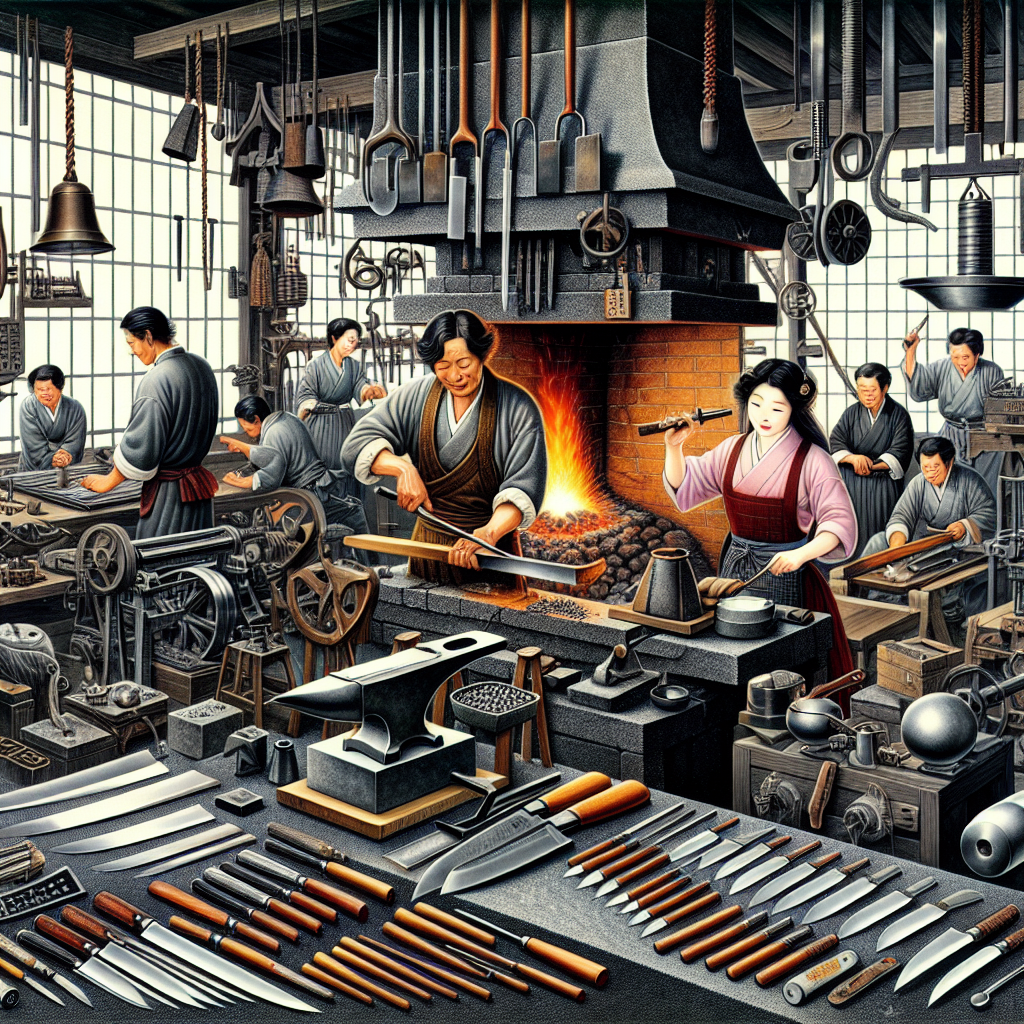

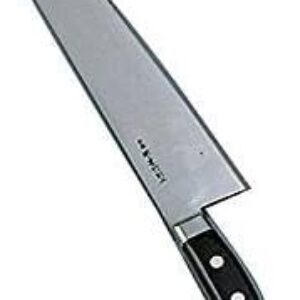
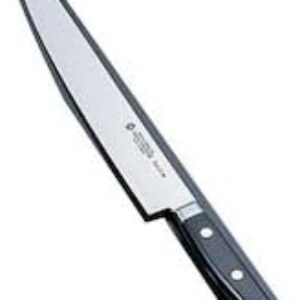
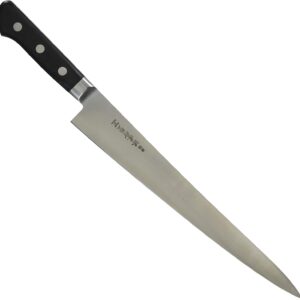
The art of Japanese knife-making is steeped in tradition, skill, and a deep respect for materials and craftsmanship. Known for their exceptional quality, durability, and sharpness, Japanese knives have become sought-after tools not only in Japanese cuisine but also around the world. In this article, we will explore the fascinating history and evolution of Japanese knife-making, highlighting its cultural significance and the craftsmanship behind some of the finest knives ever made.
Origins of Japanese Knife-Making
Early Beginnings
The history of Japanese knife-making can be traced back to the 6th century, a time when the introduction of metalworking technologies from China and Korea began to influence local craftsmanship. Early knives were predominantly made for utilitarian purposes, serving as tools for hunting, agriculture, and daily life. These initial blades were forged from soft iron, offering limited sharpness but laying the foundation for future advancements.
The Influence of the Samurai
The 12th century marked a transformative period for Japanese bladesmithing with the rise of the samurai class. The need for superior weapons led to innovations in metallurgy and the development of techniques still revered today. Swordsmiths began to experiment with different materials, creating layered blades through a process called «damascus» or «folding.» This technique not only improved the strength of the blades but also enhanced their sharpness and aesthetic appeal.
The Distinct Craftsmanship of Japanese Knives
Forging Techniques
Japanese knife-making is characterized by a variety of unique forging techniques. The most renowned are:
-
Tamahagane Steel: Traditional Japanese knives are often made using tamahagane steel, which is created from iron sand. This steel is known for its high carbon content, resulting in blades that are exceptional in sharpness and edge retention.
-
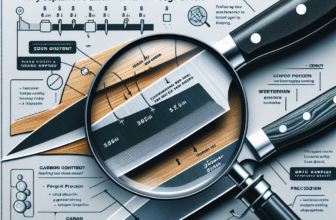
Honyaki and Kasumi: Honyaki knives are crafted from a single piece of tamahagane steel, then heat-treated to achieve hardness. Meanwhile, kasumi knives feature a core made of high-carbon steel surrounded by softer stainless steel, combining strength with rust resistance.
Honing and Sharpening Techniques
Japanese knives require careful honing and sharpening methods to maintain their performance. Common practices include:
-
Whetstones: The use of whetstones is practical and widely accepted, allowing for precise sharpening. Different grits can be used to achieve various levels of sharpness, from coarse to fine.
-
Technique Variations: Knife users are taught specific sharpening techniques, such as the angled approach of 15 to 20 degrees, ensuring a delicate balance between sharpness and durability.
The Cultural Significance of Japanese Knives
Culinary Influence
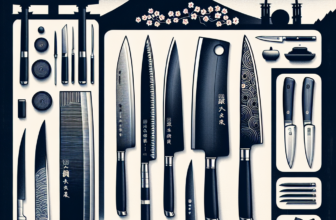
Japanese cuisine places great emphasis on presentation and precision, which inherently influences the design and function of knives. Different types of knives serve specific culinary purposes, including:
-
Gyuto: The all-purpose chef’s knife is versatile for slicing, dicing, and chopping.
-
Santoku: Known as the «three virtues» knife, it excels in slicing, chopping, and mincing, making it a popular choice for modern cooks.
Artistic Expression
Beyond their utility, Japanese knives are also regarded as works of art. The aesthetics involved in their design reflect a deep cultural appreciation for beauty and form. Many artisans collaborate with renowned blacksmiths to create visually stunning blades that celebrate traditional craftsmanship.
Modern Trends in Japanese Knife-Making
Revival and Global Interest
In recent decades, there has been a resurgence in interest in traditional Japanese knife-making techniques, both in Japan and abroad. As culinary arts gain popularity globally, so too does the demand for high-quality kitchen tools. Modern artisans continue to honor traditional practices while integrating contemporary design elements to cater to a broader audience.
Sustainable Practices
In response to growing environmental concerns, many modern knife-makers are adopting sustainable practices in sourcing materials and manufacturing processes. This shift includes using recycled metals and promoting ethical sourcing of materials, ensuring that the craft remains relevant in a changing world.
The Future of Japanese Knife-Making
As Japanese knife-making continues to evolve, its future promises to blend traditional craftsmanship with innovative designs and sustainable practices. With the increasing globalization of culinary techniques, collaborations between chefs and artisans are likely to produce unique knives that honor Japan’s rich heritage while meeting modern demands.
FAQs About Japanese Knife-Making
1. What makes Japanese knives different from Western knives?
Japanese knives are typically lighter, sharper, and feature a single bevel, unlike Western knives which are often double-beveled. This design allows for more precise cutting techniques.
2. What types of Japanese knives are essential for a chef?
Essential Japanese knives for chefs include the gyuto (chef’s knife), santoku (multi-purpose knife), and nakiri (vegetable knife). Each serves a distinct purpose in food preparation.
3. How should I maintain my Japanese knife?
To maintain your Japanese knife, regularly sharpen it with a whetstone, wash it by hand, and dry it immediately after use to prevent rust.
4. Can I use a Japanese knife for tasks other than cooking?
While Japanese knives are primarily designed for culinary use, they can also be suitable for other tasks, such as crafting or gardening, depending on the type of knife.
5. Are Japanese knives worth the investment?
Yes, Japanese knives are considered a worthy investment due to their exceptional quality, longevity, and performance. Proper care can make them last for generations.
6. Where can I purchase authentic Japanese knives?
Authentic Japanese knives can be purchased from specialized kitchenware stores, reputable online retailers, or directly from artisans and traditional workshops in Japan.
7. What is the history behind tamahagane steel?
Tamahagane steel has been used since the Muromachi period (1336-1573) and is made from iron sand. It is renowned for its high carbon content, which contributes to the sharpness and durability of Japanese knives.
Through a combination of tradition, artistry, and modern innovation, Japanese knife-making remains an enduring symbol of craftsmanship and culinary excellence, continuing to inspire chefs and cooking enthusiasts worldwide.
The Best Japanese Knives from Sakai Takayuki: Complete Guide
If you’re looking for the best Japanese knives, don’t miss exploring our selection of Sakai Takayuki knives to discover the finest handcrafted blades.