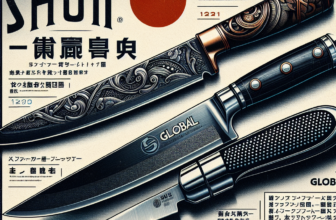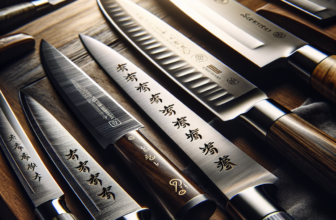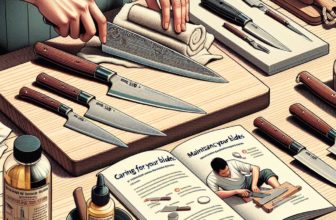

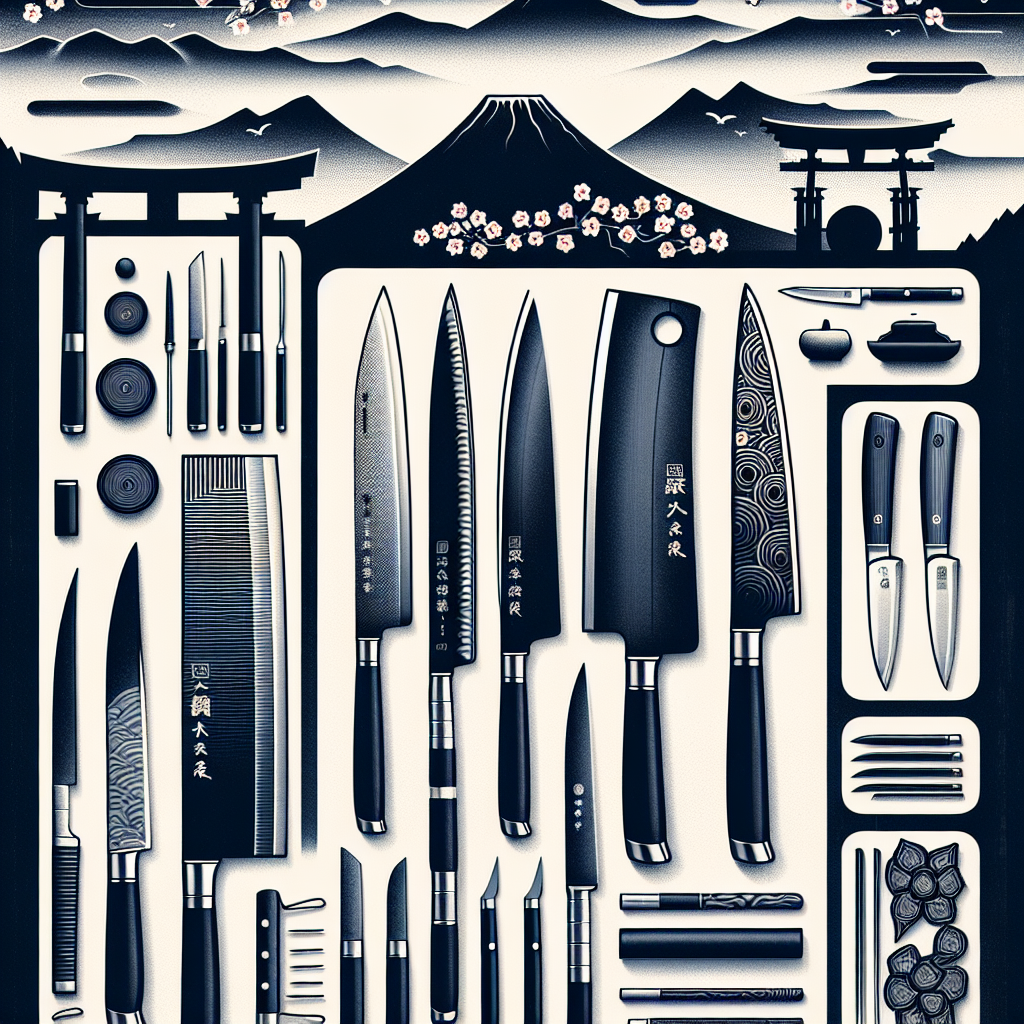
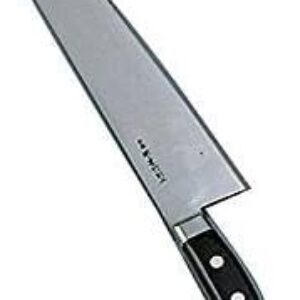
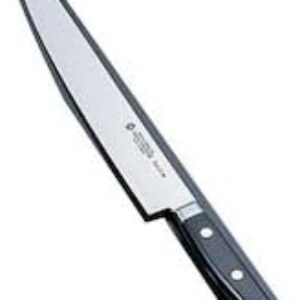
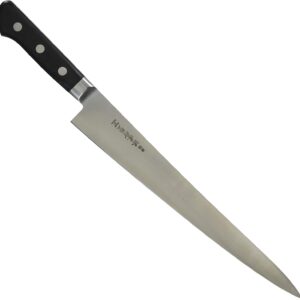
Japanese knives are revered worldwide for their craftsmanship, sharpness, and precision. With roots that date back centuries, these knives are more than just tools; they are symbols of artistry and tradition. In this article, we will explore the various types of Japanese knives, their unique characteristics, and how to choose the right one for your culinary needs.
The Essence of Japanese Knives
Craftsmanship and Tradition
Japanese knives are meticulously crafted using techniques that have been passed down through generations. Traditional methods involve the use of high-carbon steel, which allows for incredible sharpness while maintaining durability. This section will delve into the intricate craftspeople behind these knives and the importance of traditional techniques.
The Role of Steel in Knife Creation
The type of steel used in Japanese knives significantly impacts their performance. We will discuss the difference between high-carbon and stainless steel and how each type contributes to the knife’s overall quality.
Types of Japanese Knives
Gyuto: The All-Purpose Knife
Origins and Versatility
Often compared to the Western chef’s knife, the Gyuto is one of the most versatile knives in any kitchen. Originally designed for slicing meat, its functionality extends to vegetables and fish as well.
Best Practices for Use
When using a Gyuto, holding the knife with a pinch grip and using a rocking motion can enhance efficiency and precision in cutting.
Santoku: The Multitasker
Unique Features
The Santoku knife, meaning «three virtues,» excels at slicing, dicing, and mincing. With a shorter blade and a flat cutting edge, it’s perfect for those who prefer a compact design.
Maintenance Tips
Due to its thinner blade, the Santoku requires careful maintenance. Regular honing and avoiding hard materials will prolong its life.
Nakiri: The Vegetable Specialist
Blade Design and Functionality
The Nakiri knife features a straight blade that is ideal for cutting vegetables. Its design enables chefs to achieve uniform slices with ease.
Techniques for Use
Utilizing a downward chop motion while keeping the tip of the Nakiri on the cutting board is essential for effective chopping.
Deba: The Fish Filleting Expert
Specialized Use
Designed primarily for filleting fish, the Deba knife has a thick, heavy blade that can easily cut through bones.
Care and Handling
Due to its specialized use, the Deba requires specific care, including thorough cleaning after use to prevent odor transfer.
Yanagiba: The Sashimi Knife
Tradition and Precision
The Yanagiba knife is iconic for its role in Japanese cuisine, particularly for slicing sashimi. Its long, slender blade allows for razor-thin cuts.
Maintenance and Storage
Proper storage is crucial for maintaining the Yanagiba’s sharpness. Using a wooden or magnetic knife block helps protect the edge.
Choosing the Right Japanese Knife for You
Assessing Your Cooking Style
Understanding your cooking habits is essential when selecting a Japanese knife. This section will provide insights on how to choose the right knife based on personal preference and frequency of use.
Budget Considerations
Japanese knives come in various price ranges. We will discuss what to consider when investing in a quality knife without breaking the bank.
FAQs
1. What makes Japanese knives different from Western knives?
Japanese knives typically have a sharper edge and are made from high-quality steel, allowing for more precise cutting. They are also lighter and often feature a harder blade, which means they hold their edge longer.
2. How do I maintain my Japanese knife?
Regular honing, using a whetstone for sharpening, and hand washing instead of putting them in a dishwasher will help maintain the knife’s longevity. Always dry promptly after washing.
3. Which Japanese knife is best for beginners?
The Gyuto is highly recommended for beginners due to its versatility in various cooking tasks. It can handle a wide range of food items, making it an excellent all-purpose knife.
4. Can I use Japanese knives for meat and vegetables?
Yes, many Japanese knives, like the Gyuto and Santoku, are designed for use with both meat and vegetables, offering great versatility in the kitchen.
5. Why are some Japanese knives so expensive?
High-quality Japanese knives often involve extensive craftsmanship, premium materials, and traditional manufacturing techniques. This level of artistry and care contributes to their higher price point.
6. Is it necessary to oil Japanese knives?
While not always necessary, applying a light coat of mineral oil can help protect high-carbon steel blades from rusting, particularly if they are not used frequently.
7. What type of cutting board should I use with Japanese knives?
Using a wooden or bamboo cutting board is recommended for Japanese knives. These materials are gentler on the blade compared to harder surfaces like glass or ceramic.
Conclusion
Understanding the different types of Japanese knives can significantly enhance your culinary experience. Whether you choose a Gyuto for its versatility or a Yanagiba for its precision, selecting the right knife tailored to your needs is essential for any home or professional chef. By investing in a quality knife and caring for it properly, you will not only enjoy superior performance but also connect with a rich culinary tradition that has stood the test of time.
Equipped with this knowledge, you are ready to take the next step in your kitchen journey—slicing, dicing, and creating with your very own Japanese knives.
The Best Japanese Knives from Sakai Takayuki: Complete Guide
If you’re looking for the best Japanese knives, don’t miss exploring our selection of Sakai Takayuki knives to discover the finest handcrafted blades.