
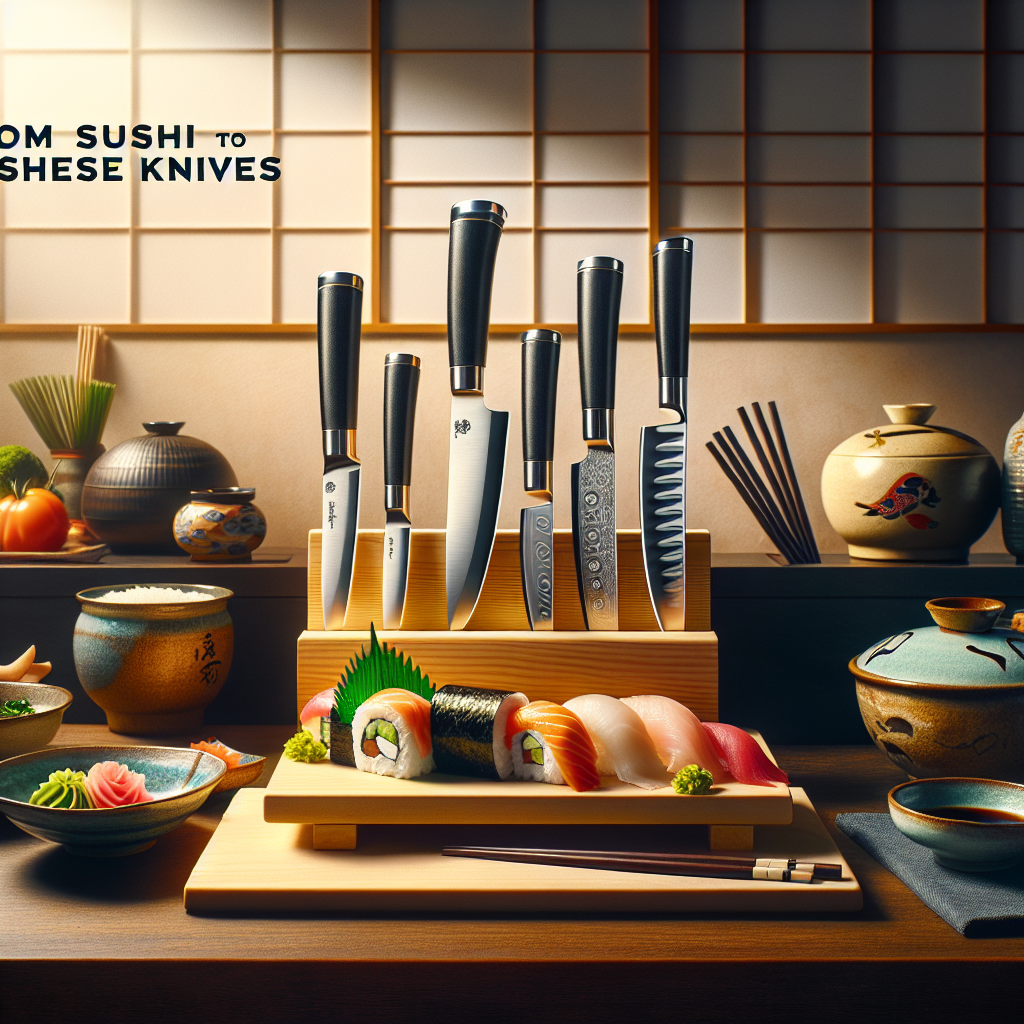
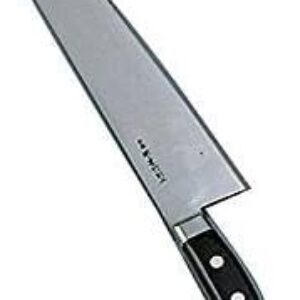
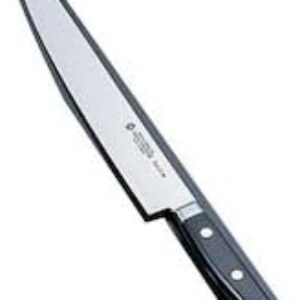
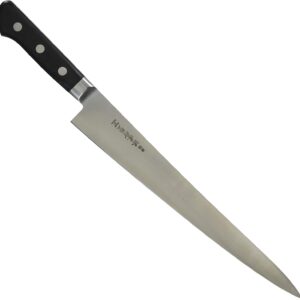
Japanese cuisine is renowned for its fresh flavors, intricate presentation, and meticulous preparation methods. At the heart of this culinary artistry are the tools of the trade, especially the Japanese knives that enable chefs to craft everything from sushi to sashimi. Understanding the essential knives used in Japanese cooking is crucial for anyone looking to elevate their culinary skills. In this article, we’ll explore the various types of Japanese knives, their uses, and how to choose the right one for your kitchen.
The Importance of Japanese Knives in Culinary Arts
The Art of Precision
Japanese knives are designed with an emphasis on precision and sharpness, which is vital for creating delicate dishes. The unique forging techniques and materials used in these knives result in blades that are thinner and sharper than their Western counterparts. This design allows for clean cuts and minimal bruising of ingredients, making them ideal for sushi and sashimi preparation.
Durability and Quality
Japanese knives are crafted from high-quality materials, including high-carbon stainless steel and traditional carbon steel. This not only ensures their longevity but also provides exceptional sharpness that can be maintained with proper care. Their balance and lightweight nature make them comfortable for extended use, essential for chefs spending hours in the kitchen.
Types of Japanese Knives
1. Gyuto (Chef’s Knife)
Versatile Utility
The Gyuto is often referred to as the Japanese equivalent of the Western chef’s knife. Measuring between 8 to 10 inches, it is a versatile tool suitable for cutting, slicing, and dicing a variety of ingredients. Whether you’re chopping vegetables for sashimi platters or slicing fish for sushi rolls, the Gyuto can handle it all.
Recommended Brands
Some notable brands for Gyuto knives include Yoshihiro, Shun, and MAC Knives. These brands offer a blend of traditional craftsmanship and modern technology, providing excellent sharpness and balance.
2. Nakiri (Vegetable Knife)
Precision Chopping
The Nakiri knife, with its straight blade and rectangular shape, is designed explicitly for vegetable preparation. Its sharp edge allows for precise chopping and slicing, making it an indispensable tool for chefs who focus on fresh produce. The blade length typically ranges from 5 to 7 inches, providing control while cutting.
Benefits of Using Nakiri
Using a Nakiri not only enhances your efficiency in the kitchen but also reduces the risk of damaging delicate vegetables. It’s a favorite among those who prioritize presentation, as it enables intricate cuts that elevate the visual appeal of dishes.
3. Yanagiba (Slicing Knife)
Mastering Sushi Techniques
The Yanagiba is a long, thin knife with a sharp blade, specifically designed for slicing raw fish. With a blade length of 8 to 12 inches, its design allows for clean, smooth cuts, essential for preparing sushi and sashimi. The Yanagiba’s edge is single-beveled, making it perfect for creating delicate slices.
Specialty Use
This knife is a must-have for sushi chefs, as the quality of cuts can significantly affect the texture and flavor of the fish. Proper technique using a Yanagiba can enhance the dining experience by ensuring each slice showcases the fish’s natural beauty.
4. Deba (Butchering Knife)
Heavy-Duty Performance
The Deba knife is a robust tool, designed for filleting fish and preparing meat. With its thick spine and heavy blade, it excels in cutting through bones and joints. Typically available in sizes ranging from 5.5 to 9.5 inches, the Deba is essential for serious home chefs.
Multi-Functionality
While primarily a fish butchering knife, the Deba can also handle chicken and other meats, adding versatility to its practical use. It’s a great addition to any kitchen focused on Japanese cuisine, providing strength and precision.
5. Usuba (Vegetable Knife)
Traditional Japanese Design
The Usuba is another vegetable knife, albeit with a more traditional design compared to the Nakiri. Known for its distinctive, single-bevel edge, the Usuba excels in intricate vegetable cuts, making it ideal for kaiseki, a traditional multi-course Japanese dinner.
For Advanced Chefs
While the Usuba is excellent for skilled chefs who can manage the technique required to use a single-beveled knife, beginners might find the Nakiri more user-friendly. Mastering the Usuba can significantly improve your culinary skills, especially if you appreciate the aesthetics of food presentation.
Caring for Your Japanese Knives
Maintenance Tips
Caring for your Japanese knives is crucial to ensuring their longevity and performance. Here are a few tips to keep your knives in top shape:
- Regular Honing: Use a whetstone for periodic honing to maintain your blades’ sharpness. A angled whetstone (typically at 15-20 degrees) is ideal for Japanese knives.
- Proper Cleaning: Avoid putting your knives in the dishwasher. Instead, hand wash them with mild soap and a soft cloth to prevent corrosion.
- Storage Solutions: Use a wooden block or magnetic strip for storage. This prevents blade damage and allows your knives to air dry.
Making the Right Choice for Your Kitchen
When selecting knives for your kitchen, consider the types of dishes you enjoy making most often. For sushi lovers, a combination of Yanagiba and Gyuto would be essential, while those focusing on vegetarian cuisine might find the Nakiri and Usuba more beneficial.
Factors to Consider
- Material: High-carbon steel offers excellent sharpness but requires more maintenance compared to stainless steel.
- Weight: Choose a knife that feels comfortable in your hand for extended use.
- Design: Aesthetically appealing knives can enhance your cooking experience, but functionality should always be prioritized.
FAQs
1. What is the difference between sushi and sashimi?
Sushi typically includes rice and other ingredients, while sashimi consists solely of thinly sliced raw fish.
2. Do I need a separate knife for sushi and sashimi?
While you can use a Gyuto for both, a Yanagiba is highly recommended for sashimi, as it offers the precision needed for clean cuts.
3. Can I use Western knives for preparing Japanese cuisine?
While Western knives can manage many tasks, using specialized Japanese knives increases the precision and presentation of the dishes.
4. How often should I sharpen my Japanese knives?
It depends on your frequency of use, but generally, sharpening once a month is a good rule of thumb for regular cooks.
5. Are Japanese knives suitable for left-handed cooks?
Yes, there are left-handed versions of some Japanese knives, notably single-beveled ones like the Yanagiba and Usuba.
6. What’s the best way to clean Japanese knives?
Hand wash them with mild soap and a soft cloth, then dry immediately to prevent rust.
7. How do I choose the right size Japanese knife for me?
Choose a size that feels comfortable in your hand and suits your kitchen tasks. Generally, 8 inches is ideal for all-around use.
Utilizing the right knives can transform your cooking experience and elevate your Japanese culinary skills. From sushi to sashimi, understanding the essential Japanese knives will not only improve your precision but also your appreciation of this art form. Invest in quality tools, and watch as your skills and dishes flourish.
The Best Japanese Knives from Sakai Takayuki: Complete Guide
If you’re looking for the best Japanese knives, don’t miss exploring our selection of Sakai Takayuki knives to discover the finest handcrafted blades.