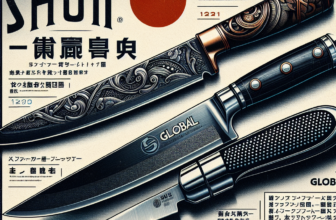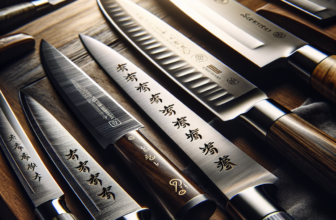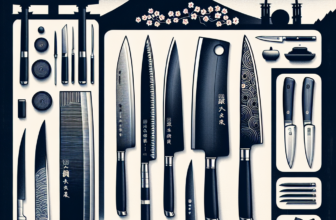

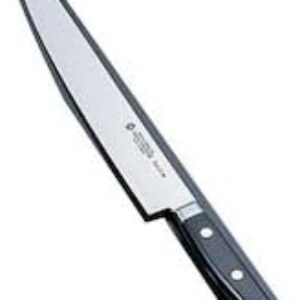
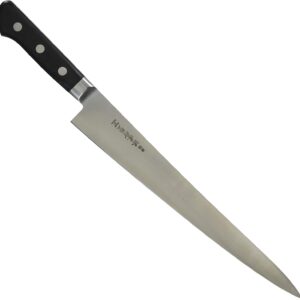
Japanese knives are renowned for their precision, craftsmanship, and unique characteristics. Whether you’re a professional chef or a home-cooking enthusiast, understanding the essence of these tools can elevate your culinary skills. This guide delves into the world of Japanese knives, from their historical roots to their modern applications, equipping you with the knowledge needed to choose and use these exquisite instruments effectively.
Understanding Japanese Knives
The History Behind Japanese Knives
Japanese knives have a rich history that dates back centuries. The art of blade-making in Japan can be traced to the samurai era, where swords were forged using traditional methods that emphasized both aesthetics and functionality.
Subsection: Traditional Techniques
The techniques used in crafting Japanese knives have largely remained unchanged. Artisans employ methods like Tamahagane steel production and Honyaki forging. The combination of high-quality materials and skilled craftsmanship results in knives that are not only sharp but also durable.
Types of Japanese Knives
Japanese knives come in various forms, each designed for specific tasks in the kitchen. Understanding these types can help you select the right knife according to your cooking style.
Subsection: Common Types of Japanese Knives
-
- Chef’s Knife (Gyuto): The most versatile knife, suitable for chopping, slicing, and dicing.
-
- Vegetable Knife (Nakiri): Designed for chopping vegetables, featuring a straight edge for straight cuts.
-
- Slicing Knife (Sujihiki): Used for slicing cooked meats and fish with precision.
-
- Utility Knife (Petty): A smaller knife used for detailed tasks like peeling and trimming.
Unique Features of Japanese Knives
Material Quality
The materials used to create Japanese knives are vital for their performance. The steel quality can greatly affect the sharpness and durability of the blade.
Subsection: Types of Steel
-
- High Carbon Steel: Known for its ability to hold a sharp edge.
-
- Stainless Steel: Offers corrosion resistance but may require frequent sharpening.
-
- Powder Steel: A modern material that combines the best of both worlds, offering strength and sharpness.
Design and Aesthetics
Japanese knives are not just functional; they also feature beautiful designs. Each knife’s aesthetic typically reflects traditional motifs and personal craftsmanship.
Subsection: Handle Design
Most Japanese knives feature traditional wa handles, which are often made of wood. This design provides a comfortable grip and allows for better control during use.
How to Care for Japanese Knives
Maintenance Techniques
To maintain the artistic precision of Japanese knives, proper care is essential. Here are some maintenance tips:
Subsection: Sharpening Techniques
-
- Whetstones: The most traditional method involves using a whetstone, allowing for precise sharpening.
-
- Angle Maintenance: Japanese knives typically require a sharpening angle between 15-20 degrees.
Cleaning and Storage
How you clean and store your knives can prolong their lifespan significantly.
Subsection: Cleaning Tips
-
- Hand wash only; avoid dishwashers.
-
- Dry immediately after washing to prevent rust.
Storage Solutions
-
- Use a magnetic strip or knife block to prevent blade damage.
-
- Avoid crowded drawers where blades can hit one another.
Choosing the Right Japanese Knife
Considering Your Cooking Style
Identifying your primary culinary tasks can help guide your knife selection. For example, if you often slice meat, a Sujihiki may be best, while vegetable lovers might gravitate towards the Nakiri.
Price Considerations
Japanese knives can range from affordable to luxury. Understand your budget but also consider the knife as an investment, especially if cooking is a passion.
Where to Buy Japanese Knives
When shopping for Japanese knives, it’s critical to source them from reputable vendors. Many online platforms specialize in authentic Japanese cutlery, but local culinary stores can also offer hands-on experiences.
Trusted Online Resources
Consider websites like Chef’s Knives To Go or Japanese Knife Company for a wide range of options and expert reviews.
FAQ Section
1. What are the best Japanese knives for beginners?
The Gyuto and Petty knives are excellent starting points due to their versatility and ease of use.
2. How often should I sharpen my Japanese knife?
Sharpening frequency depends on usage, but a good rule of thumb is every few weeks to maintain optimal edge performance.
3. Can I put my Japanese knife in the dishwasher?
No, it is strongly advised to hand wash Japanese knives to preserve their integrity and prevent rust.
4. What is the difference between a Gyuto and a Santoku?
While both knives can handle various tasks, the Gyuto is longer and better for slicing meats, while the Santoku excels in chopping vegetables.
5. How do I store my Japanese knives?
Use magnetic strips or protective sheaths. Avoid crowding in a drawer to maintain blade integrity.
6. Are Japanese knives worth the investment?
Absolutely! Their superior craftsmanship and longevity make them worthwhile investments for cooks serious about their craft.
7. What materials are best for Japanese knife handles?
Wooden handles are the traditional choice for their comfort and aesthetics, but synthetic options are also available for durability.
Conclusion
The world of Japanese knives embodies a unique blend of art and functionality. By understanding their history, types, and care techniques, you can appreciate these culinary tools and enhance your cooking skills. Investing in a quality Japanese knife is not just about acquiring a tool; it’s about embracing a tradition that values precision and craftsmanship. Whether you’re cooking at home or in a professional kitchen, having the right Japanese knife can elevate your culinary experience to unprecedented levels.
The Best Japanese Knives from Sakai Takayuki: Complete Guide
If you’re looking for the best Japanese knives, don’t miss exploring our selection of Sakai Takayuki knives to discover the finest handcrafted blades.