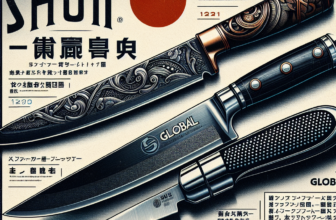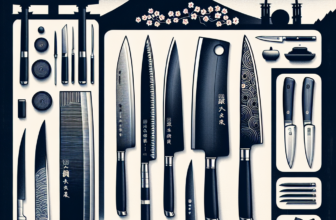

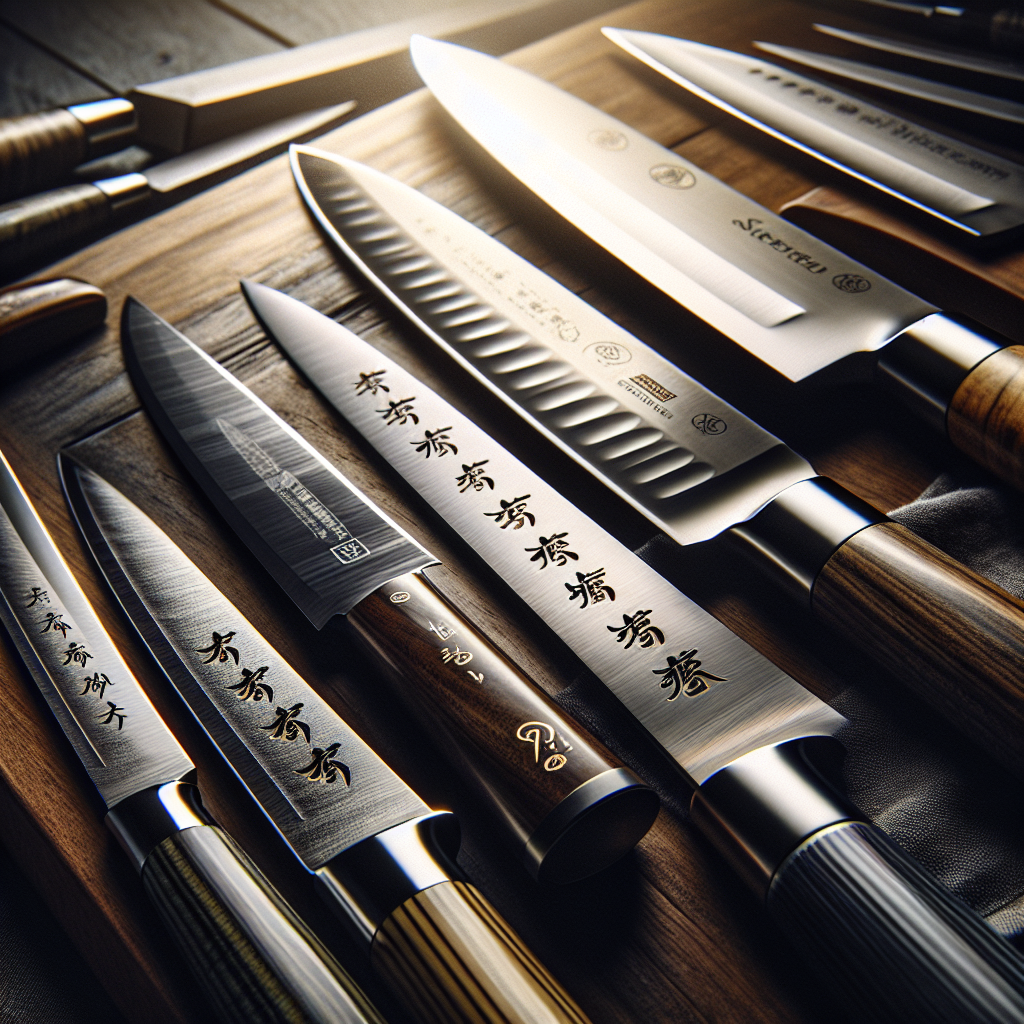
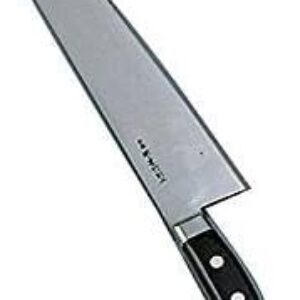
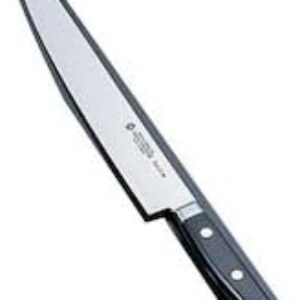
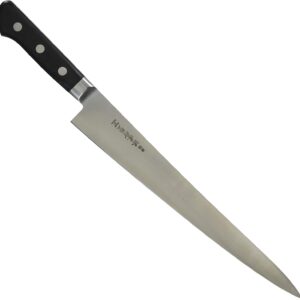
When it comes to culinary excellence, nothing quite compares to the precision and craftsmanship of Japanese knives. Renowned for their quality, design, and functionality, these knives have become a staple for professional chefs around the globe. This article delves into the best Japanese knives available, ensuring that culinary professionals are equipped with the best tools to create masterpieces in the kitchen.
Why Choose Japanese Knives?
Exceptional Craftsmanship
Japanese knives are celebrated for their artisanal quality. Each knife is often handcrafted using techniques passed down through generations. The attention to detail and the use of high-quality materials result in blades that are not only beautiful but also incredibly sharp and durable.
Types of Steel
The steel used is critical in determining a knife’s performance. Japanese knives often feature high-carbon stainless steel, which enhances sharpness and edge retention. Common types include:
- VG-10: A popular choice known for its ability to hold a sharp edge.
- Aogami: A traditional carbon steel that sharpens easily but requires more maintenance.
Mastery of Design
Japanese knives often feature a unique blade design that caters to specific cutting techniques. For example, the curved Santoku blade allows for effortless slicing, while the straight-edged Gyuto knife excels in versatility.
Top Picks for Professional Chefs
The following section showcases some of the finest Japanese knives that have become favorites among professional chefs.
1. Masamoto VG Gyuto Knife
Overview
The Masamoto VG Gyuto knife is a versatile all-rounder ideal for various tasks, from slicing meats to dicing vegetables.
Key Features
- Blade Length: Available in sizes from 210mm to 240mm.
- Material: Made from VG-10 stainless steel.
- Handle: Traditional octagonal-shaped Rosewood handle for comfort and stability.
Why Chefs Love It
Chefs appreciate the balance and sharpness of this knife, which provides excellent precision without fatigue during long prep sessions.
2. Shun Classic Nakiri Knife
Overview
The Shun Classic Nakiri knife is specifically designed for vegetable preparation, making it an essential tool in any chef’s collection.
Key Features
- Blade Length: 165mm, perfect for various chopping tasks.
- Material: High-quality VG-10 steel with an appealing Damascus pattern.
- Handle: D-shaped Pakkawood handle that provides a secure grip.
Why Chefs Love It
The rectangular blade excels at precise cuts, allowing for clean and beautiful presentation, which is crucial for restaurant dishes.
3. Global G-2 Chef’s Knife
Overview
Global knives are known for their unique design and lightweight feel. The G-2 Chef’s knife is a favorite among chefs who prefer speed and agility.
Key Features
- Blade Length: 20cm (8 inches).
- Material: Cromova 18 stainless steel.
- Handle: Impressive continuous curve design for a seamless grip.
Why Chefs Love It
The G-2 offers incredible sharpness and retains its edge well, making it perfect for quick dicing and chopping tasks.
4. Tojiro DP Gyuto Knife
Overview
For chefs seeking a high-quality knife at an affordable price, the Tojiro DP Gyuto is an excellent option.
Key Features
- Blade Length: Typically 240mm.
- Material: VG-10 steel with an enamel finish.
- Handle: Round, comfortable handle made from durable plastic.
Why Chefs Love It
This knife strikes the perfect balance between performance and price, providing sharpness and durability without breaking the bank.
5. Miyabi Birchwood Fusion Chef’s Knife
Overview
Miyabi knives are the epitome of elegance and functionality. The Birchwood Fusion Chef’s knife is an example of contemporary Japanese knife-making.
Key Features
- Blade Length: 240mm.
- Material: SG2 micro-carbide powder steel.
- Handle: Beautiful birchwood handle, adding a touch of class.
Why Chefs Love It
With stunning aesthetics and exceptional performance, this knife is both a workhorse and a beauty, perfect for any high-end kitchen.
Maintenance of Japanese Knives
Proper Care Techniques
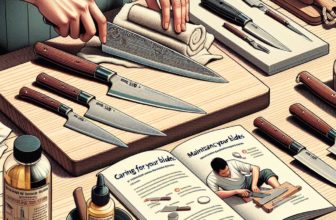
To ensure the longevity of Japanese knives, understanding maintenance is paramount. Here are some key tips for keeping these knives in top shape:
Regular Sharpening
Japanese knives require frequent honing and occasional sharpening. Use a whetstone for the best results, aiming for a 15-degree angle.
Cleaning and Storage
Always clean knives by hand and avoid soaking them in water or placing them in a dishwasher. Use a magnetic strip or a wooden block for safe storage.
Common Mistakes
Many chefs overlook the importance of maintenance, leading to dull blades and decreased performance. Don’t use glass or ceramic cutting boards, as they can dull the blade faster.
FAQs
1. What makes Japanese knives different from Western knives?
Japanese knives typically feature a thinner blade and are made from harder steel, allowing for a sharper edge. They also emphasize a single bevel, mainly for precision tasks.
2. How do I choose the right Japanese knife for my needs?
Consider the type of cooking you do most often. A Gyuto is versatile for multiple tasks, while a Nakiri is ideal for vegetable prep.
3. Are Japanese knives worth the investment?
Absolutely! They offer superior sharpness, edge retention, and craftsmanship, making them a long-term investment for professional chefs.
4. How do I maintain my Japanese knife?
Regular honing, using a whetstone for sharpening, and proper cleaning and storage are essential. Avoid dishwashing and soaking in water.
5. Can I use Japanese knives on a glass cutting board?
No, it’s best to avoid glass cutting boards as they can dull the blade quickly. Opt for wooden or plastic boards instead.
6. Do Japanese knives require special sharpening techniques?
Yes, Japanese knives typically require sharpening at a 15-degree angle using a whetstone to maintain their precision edge.
7. What is the best way to clean my Japanese knife?
Always hand wash your knife with mild soap and water. Avoid soaking it and dry immediately to prevent rust.
Conclusion
Investing in a high-quality Japanese knife can significantly enhance your culinary experience and efficiency in the kitchen. From the elegant design of the Miyabi Birchwood to the versatility of the Masamoto VG, these knives represent the pinnacle of craftsmanship and performance, making them ideal for professional chefs. Remember, proper care and maintenance will ensure these knives remain your trusted companions for years to come. Explore the world of Japanese knives today and elevate your culinary skills to new heights!
The Best Japanese Knives from Sakai Takayuki: Complete Guide
If you’re looking for the best Japanese knives, don’t miss exploring our selection of Sakai Takayuki knives to discover the finest handcrafted blades.