
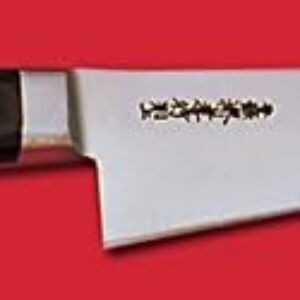
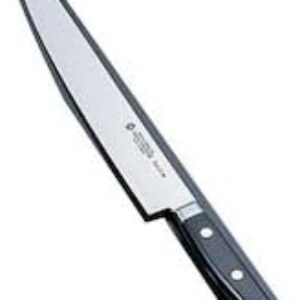
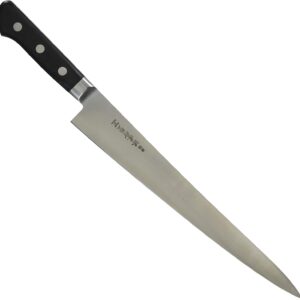
Japanese knives are revered for their precision, craftsmanship, and sharpness. Caring for your blades is crucial not only for maintaining their performance but also for prolonging their lifespan. In this article, we’ll explore effective maintenance tips for Japanese knives that every culinary enthusiast should know. Whether you’re a professional chef or a home cook, understanding how to care for your knives will help you keep them in optimal condition.
Key Points in Caring for Japanese Knives
1. Understanding the Material
Types of Steel Used in Japanese Knives
Japanese knives are mainly made from two types of steel: high-carbon and stainless steel. High-carbon steel is favored for its ability to hold a sharp edge but requires more maintenance to prevent rust. Stainless steel, on the other hand, is more resistant to corrosion but may not hold an edge as well as high-carbon steel.
Importance of Hardness
The hardness of the knife is measured on the Rockwell scale. Most Japanese knives are hardened to 58-62 HRC (Rockwell Hardness Scale), providing optimal sharpness. However, this also means that they can be more brittle, so it’s essential to handle them with care.
2. Proper Washing Techniques
Hand Washing vs. Dishwasher
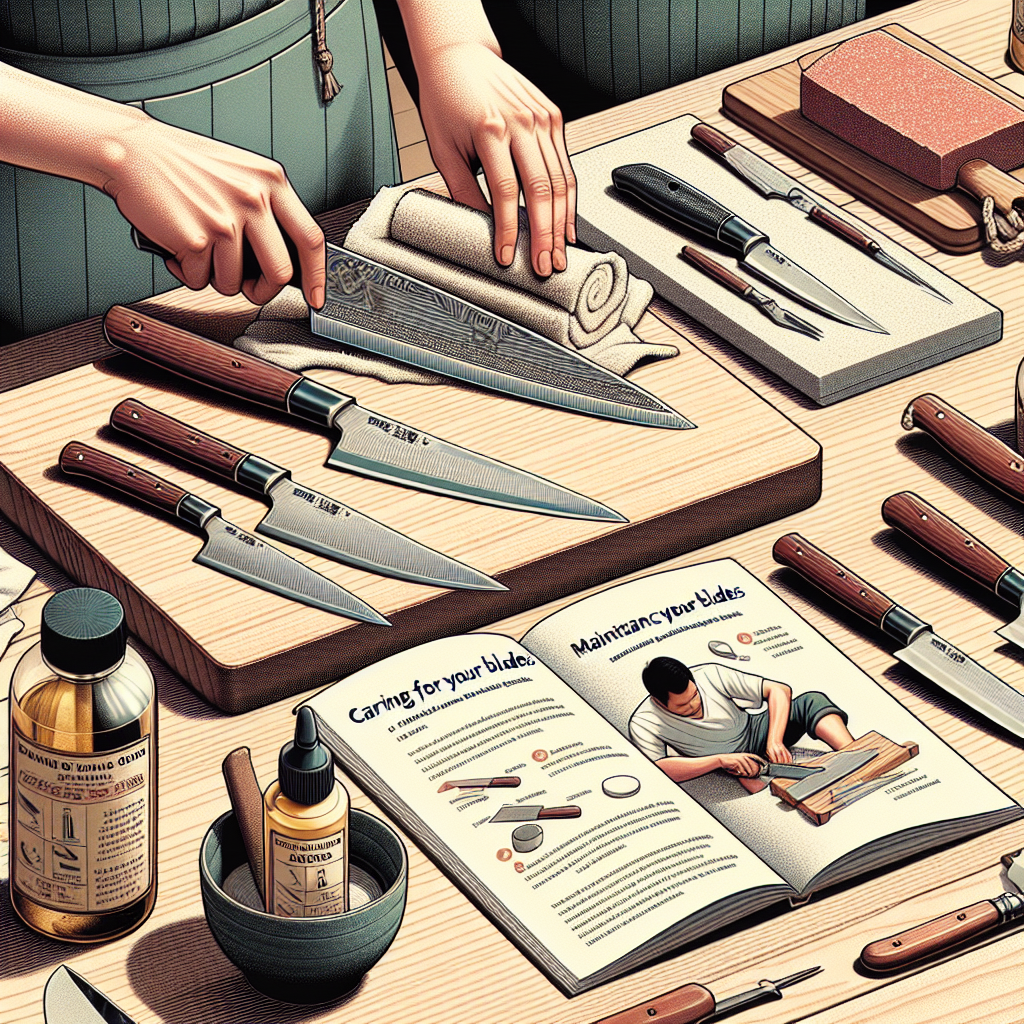
Always hand wash your Japanese knives with warm water and mild detergent. Dishwashers can be too abrasive and may damage the blade and handle. Make sure to avoid any harsh scrubbing pads that can scratch the surface.
Drying
After washing, immediately dry the knife with a soft cloth to prevent any moisture from causing rust. Leaving the knife wet can accelerate the corrosion, particularly for high-carbon knives.
3. Regular Sharpening
Honing vs. Sharpening
It’s essential to differentiate between honing and sharpening. Honing is done often to realign the edge, while sharpening removes material to create a new edge. A honing steel should be used frequently, while you should sharpen your blades every few months, depending on usage.
Tools for Sharpening
For Japanese knives, using a whetstone is ideal. Choose a stone with a grit appropriate for your knife’s condition. A coarse grit (around 200-400) is suitable for correcting damage, while a medium grit (around 1000) is perfect for routine sharpening.
4. Storage Solutions
Knife Blocks vs. Magnetic Strips
Proper storage prevents damage. While knife blocks may keep your knives protected, a magnetic strip allows for better visibility and easy access. Always ensure that the knives are stored in a manner that avoids contact with other metal objects to prevent dulling or chipping.
Blade Guards
Using blade guards can protect the edge of your Japanese knives if they must be stored in a drawer. They are available in various materials including plastic and leather.
5. Addressing Rust and Stains
Identifying Rust
Rust can occur even in stainless steel if not properly maintained. If you notice rust spots on your knife, address them immediately with a rust eraser or fine-grit sandpaper.
Preventing Stains
To prevent unsightly stains on your knife, avoid leaving it in contact with acidic foods like tomatoes or vinegar for extended periods. Always rinse and dry your knife promptly after usage.
6. Routine Inspection
Checking for Damage
Regularly inspect your knives for any signs of damage, such as chips or cracks. Addressing these issues early on will prevent more significant problems in the long run.
Maintenance Schedule
Create a maintenance schedule for your knives, including washing, honing, sharpening, and inspecting. Consistency will ensure their longevity.
FAQ Section
1. How often should I sharpen my Japanese knives?
You should sharpen your Japanese knives every couple of months, depending on how frequently you use them. For daily chefs, this may be more frequent.
2. Can I put my Japanese knives in the dishwasher?
No, it’s not recommended to put Japanese knives in the dishwasher. Always hand wash with mild detergent and dry them immediately.
3. What is the best way to store my Japanese knives?
Storing Japanese knives on a magnetic strip or in a knife block is ideal. Blade guards can be used for drawer storage to prevent damage.
4. How can I tell if my knife needs sharpening?
If you notice the knife dragging through food rather than slicing effortlessly, it’s likely time to sharpen it.
5. What should I do if my knife gets rust on it?
If rust forms, use a rust eraser or fine-grit sandpaper to remove it, then clean and dry the knife thoroughly.
6. Should I use oil on my Japanese knife?
Applying a light coat of food-safe mineral oil to high-carbon knives can help prevent rust and keep the blade in good condition.
7. Can I use my Japanese knives on any cutting surface?
It’s best to use wooden or bamboo cutting boards to protect the blade’s edge. Avoid glass or stone surfaces as they can dull the knife quickly.
Conclusion
Caring for your Japanese knives is a rewarding process that significantly impacts their performance and lifespan. By understanding the materials, adhering to proper washing techniques, regularly sharpening your knives, ensuring optimal storage, addressing rust, and maintaining a routine inspection, you can enjoy the unique advantages that these exceptional tools offer. Implement these maintenance tips, and you’ll find that your Japanese knives will provide unmatched precision and durability in your kitchen for years to come.
Investing time in knife care is not just about preserving the blade; it’s about enhancing the joy of cooking. Embrace the art of maintenance, and your knives will serve you well.
The Best Japanese Knives from Sakai Takayuki: Complete Guide
If you’re looking for the best Japanese knives, don’t miss exploring our selection of Sakai Takayuki knives to discover the finest handcrafted blades.