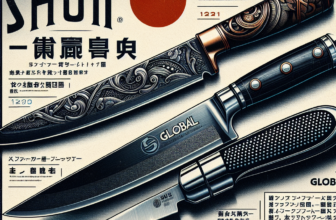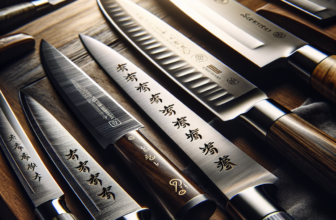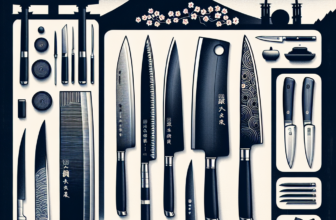

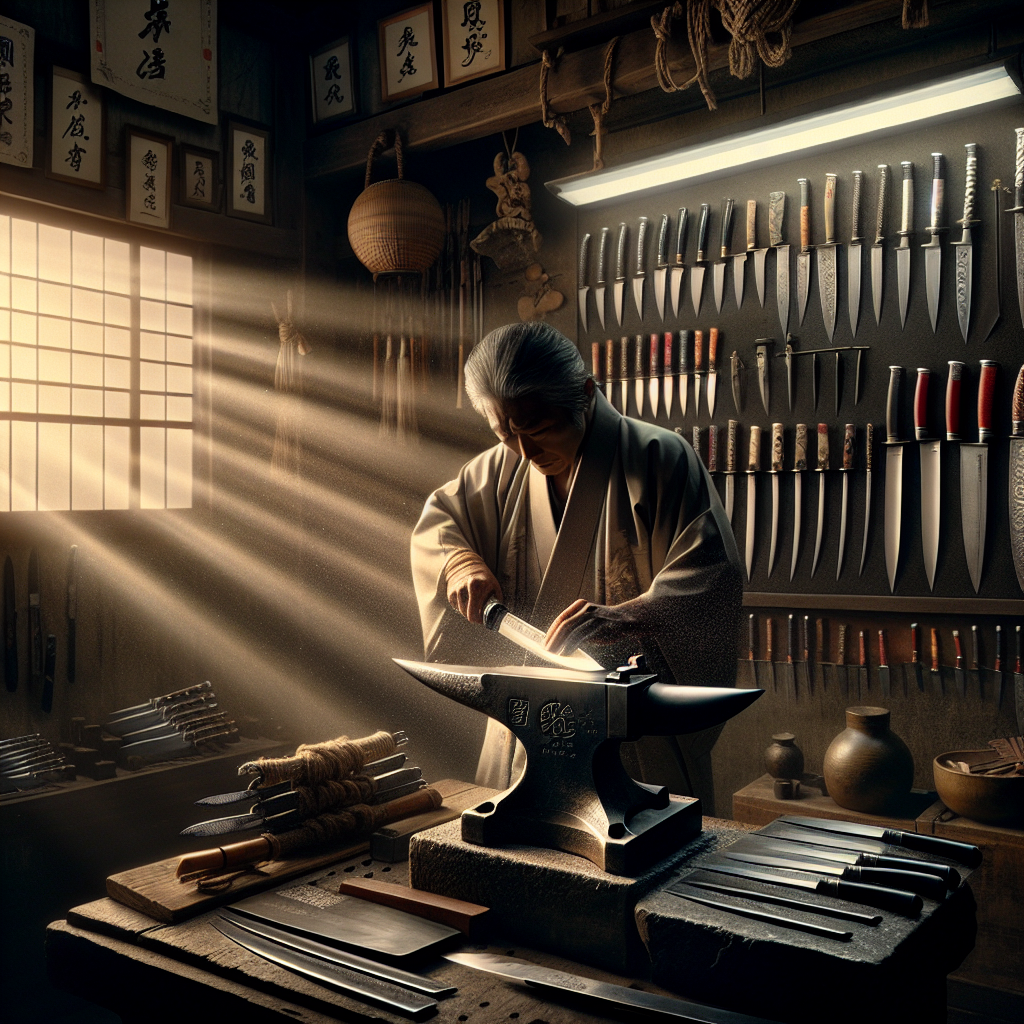
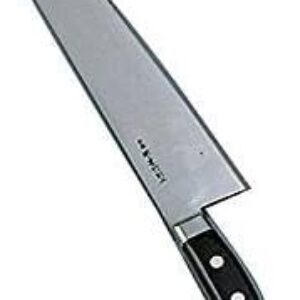
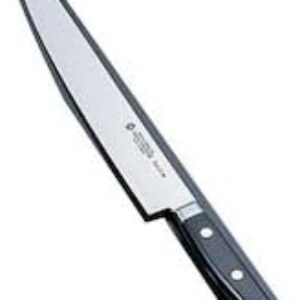
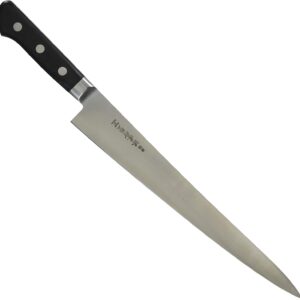
Japanese knives have earned a sterling reputation among chefs and culinary enthusiasts worldwide, renowned for their precision, craftsmanship, and elegance. Unlike their Western counterparts, which often focus on sturdiness, Japanese kitchen knives embody a beautiful blend of art and utility, tailored for performance and finesse. In this article, we delve into the intricate world of Japanese knives, exploring their history, types, care, and how they can elevate your culinary experience.
The Rich History of Japanese Knives
Origins and Evolution
The history of Japanese knives is deeply intertwined with Japan’s rich cultural heritage. The first Japanese blades date back to the Heian period (794-1185), influenced by sword-making techniques that emphasize sharpness and delicate aesthetics. During the Kamakura period (1185-1333), these smithing skills were adapted for kitchen tools, leading to the development of knives specifically designed for food preparation.
Cultural Significance
In Japan, a knife is not merely a tool but a reflection of the artisanal craftsmanship that has been passed down through generations. Each knife is often viewed as a piece of art, celebrated for its functionality and beauty. The meticulous attention to detail in the forging and shaping of each blade showcases the reverence craftsmen hold for their trade.
Types of Japanese Knives
Japanese knives come in various shapes and sizes, each designed for specific tasks in the kitchen. Understanding these types can help you choose the right knife for your culinary needs.
1. Gyuto (Chef’s Knife)
The Gyuto is often referred to as the Japanese equivalent of the Western chef’s knife. Characterized by a curved edge and a pointed blade, it serves a multitude of purposes, from slicing meats to dicing vegetables.
Subsections:
- Blade Material: Most Gyuto knives are crafted from high-carbon steel or stainless steel, providing durability and edge retention.
- Size Variations: Commonly available in lengths ranging from 180mm to 300mm, allowing chefs to choose according to their preference.
2. Santoku
The Santoku knife, which translates to «three virtues,» excels in slicing, dicing, and mincing. Its flat edge and rounded tip make it ideal for a variety of foods, especially fish and vegetables.
Subsections:
- Design Features: The blade’s unique shape allows for a rocking motion, providing efficiency in cutting.
- Usage Tips: Good for home cooks who enjoy preparing diverse dishes and need a versatile tool.
3. Nakiri
The Nakiri knife is designed specifically for vegetables. Its straight edge allows for precise cuts, making it a favorite among those who frequently prepare salads or vegetable-based dishes.
Subsections:
- Chopping Technique: The flat blade ensures full contact with the cutting board, aiding in swift and effortless chopping.
- Aesthetics: Often adorned with intricate designs, Nakiri knives can enhance the visual appeal of your kitchen.
4. Yanagiba
The Yanagiba is a long, slender knife primarily used for slicing sashimi and sushi. Its sharp edge and pointed tip ensure clean cuts, essential for presenting seafood dishes.
Subsections:
- Slicing Technique: The knife is designed for single, smooth strokes, minimizing the damage to the delicate flesh of fish.
- Maintenance Needs: Given its specialized use, keeping the blade sharp is crucial for optimal performance.
Craftsmanship and Manufacturing Techniques
Japanese knives are more than just tools; they are the result of intricate craftsmanship and sophisticated manufacturing techniques.
Traditional Forging
The art of forging Japanese knives relies on traditional methods that date back centuries. Skilled craftsmen employ techniques that involve folding layers of steel, combining hardness and flexibility. This process results in blades that not only maintain sharpness but are also resilient against the wear and tear of daily use.
Modern Innovations
While many artisans adhere to traditional techniques, modern innovations also play a role in the contemporary knife-making landscape. Techniques such as laser cutting and advanced metallurgy have allowed for increased precision and consistency, leading to knives that are both beautiful and expertly crafted.
Care and Maintenance of Japanese Knives
To preserve the beauty and functionality of your Japanese knives, proper care is essential.
Cleaning Techniques
Always hand wash your knives with mild soap and warm water. Avoid dishwashers, as the harsh environment can damage the blade. Carefully drying the knife with a soft cloth will prevent rusting and maintain the aesthetic appeal.
Sharpening Your Knife
Regular sharpening is crucial for maintaining the precision of your Japanese knife. Utilize water stones or honing rods, which are ideal for achieving the desired edge. Understanding the correct angle for sharpening (typically around 15-20 degrees for most Japanese knives) is essential for optimal performance.
Storage Solutions
Storing your knives safely not only protects the blade but also ensures your safety in the kitchen. Using a magnetic strip or a wooden block is advisable, preventing the blades from dulling and keeping them easily accessible.
Why Choose Japanese Knives?
Japanese knives offer a myriad of benefits, making them a staple in both professional kitchens and home cooking.
Precision and Sharpness
The renowned sharpness of Japanese knives translates to more precise cuts, enhancing the overall presentation of your dishes. Chefs tout the quality of their cuts, which minimizes food damage and maximizes flavor.
Aesthetics and Artistry
With their elegant designs and meticulous craftsmanship, Japanese knives serve as functional art pieces in your kitchen. Owning a Japanese knife is not just about utility; it’s also about appreciating the beauty of artisan skills.
Versatility Across Culinary Styles
From sushi to vegetable dishes, Japanese knives adapt seamlessly to various culinary styles and techniques. Their precision helps elevate any dish, ensuring superior taste and presentation.
FAQs
1. What is the best type of Japanese knife for beginners?
For beginners, a Gyuto or Santoku knife is an ideal choice due to its versatility. Both knives are well-suited for a range of tasks, from slicing to dicing, making them perfect for novice cooks.
2. How often should I sharpen my Japanese knives?
The frequency of sharpening depends on usage, but generally, it’s recommended to sharpen your Japanese knives every few weeks to maintain optimal performance. Regular honing can prolong the time between sharpenings.
3. Can I put my Japanese knives in the dishwasher?
No, you should not put Japanese knives in the dishwasher. Hand washing with mild soap and drying immediately is essential to prevent rust and maintain their sharpness.
4. What materials are Japanese knives typically made from?
Japanese knives are commonly made from high-carbon steel or stainless steel. High-carbon steel offers excellent edge retention but requires more maintenance, while stainless steel is easier to care for.
5. Are there any specific care instructions for different types of Japanese knives?
Yes, care varies by type. For example, Yanagiba knives require more delicate handling due to their thin blades, while Nakiri knives should be used primarily on softer vegetables to prevent chipping.
6. How can I tell if my Japanese knife is authentic?
Authentic Japanese knives are often handmade with intricate patterns on the blade and a balance in weight. It’s advisable to purchase from reputable dealers who can provide information about the knife’s origin and craftsmanship.
7. Do Japanese knives require special sharpening tools?
Yes, Japanese knives benefit from specific sharpening tools like water stones or traditional whetstones. These tools allow for the precise angle and technique needed for effective sharpening.
Conclusion
Japanese knives embody the art of precision, transforming kitchen tasks into an elegant experience. Understanding their history, types, and care techniques empowers culinary enthusiasts to appreciate these incredible tools. Whether you’re a professional chef or a home cook, investing in a Japanese knife can elevate your culinary skills and bring a touch of artistry into your kitchen.
Explore our curated selection of Japanese knives to find the perfect tool that suits your cooking style and experience the difference for yourself!
The Best Japanese Knives from Sakai Takayuki: Complete Guide
If you’re looking for the best Japanese knives, don’t miss exploring our selection of Sakai Takayuki knives to discover the finest handcrafted blades.