
In the world of culinary arts, the significance of high-quality knives cannot be overstated. Japanese knives have gained a legendary status, celebrated for their unparalleled craftsmanship, precision, and beauty. This article delves into the art of Japanese knives, exploring their history, types, manufacturing techniques, and how they can elevate your culinary experience.
The History of Japanese Knives
Origin and Evolution
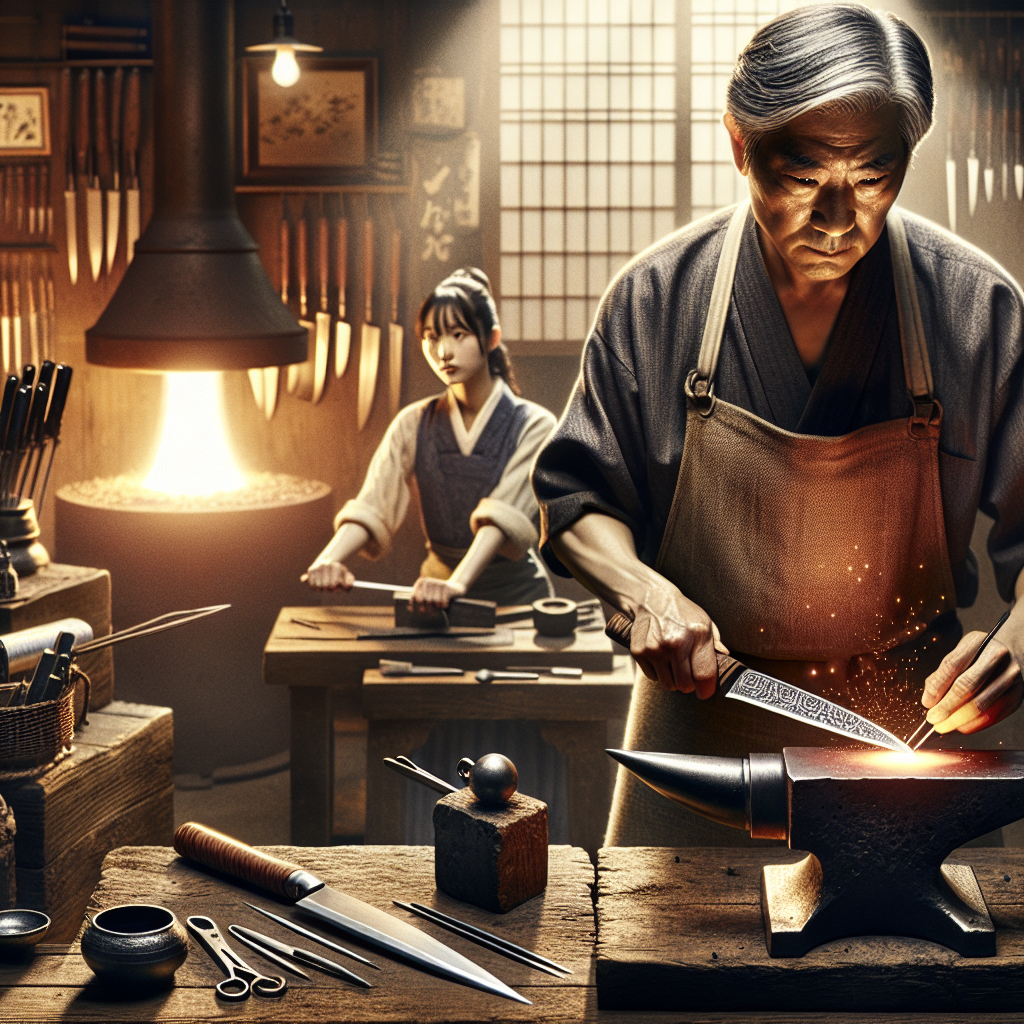
Japanese knives trace their origins back over 700 years, with roots in traditional sword-making techniques developed during the feudal period. The craftsmanship of samurai swords (katana) played a pivotal role in the evolution of Japanese culinary knives, influencing blade forms and forging techniques.
Cultural Significance
In Japan, knives are more than just kitchen tools; they symbolize the artistry and dedication involved in food preparation. Culinary professionals often pass down knives through generations, creating a deep emotional and cultural connection to the tools that shape their culinary practices.
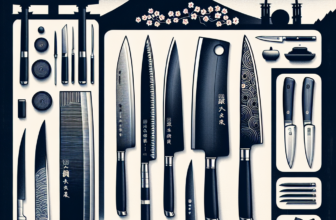
Types of Japanese Knives
Gyuto (Chef’s Knife)
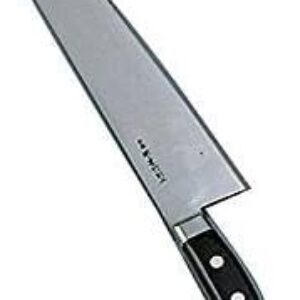
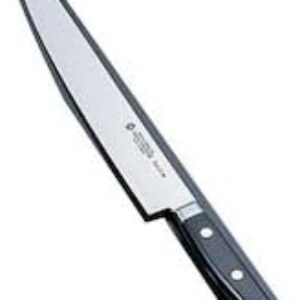
The Gyuto is the quintessential Japanese chef’s knife, versatile for slicing, chopping, and mincing. Typically 6 to 12 inches long, its thin blade allows for precision cuts that are essential in fine cooking.
Characteristics and Uses
- Blade Material: Usually constructed from high-carbon stainless steel.
- Edge Angle: A double bevel, often around 15-20 degrees, lending itself well to both Western and Asian culinary styles.
- Ideal For: Meat, fish, and vegetables, making it a must-have in any kitchen.
Santoku (Multipurpose Knife)
The Santoku is another popular Japanese knife, distinguished by its shorter blade and wider shape.
Characteristics and Uses
- Blade Length: Typically ranges from 5 to 7 inches.
- Edge Design: Typically has a flat cutting edge, allowing for a clean cut.
- Ideal For: Slicing, dicing, and mincing, particularly vegetables and boneless meats.
Nakiri (Vegetable Knife)
The Nakiri knife, known for its straight rectangular blade, is specialized for vegetable preparation.
Characteristics and Uses
- Blade Shape: Allows for a straight down cut, which is ideal for achieving thin slices.
- Usage: Its design makes it particularly effective for chopping and precision work, essential for vegetable-heavy dishes.
Crafting Techniques of Japanese Knives
Forging Techniques
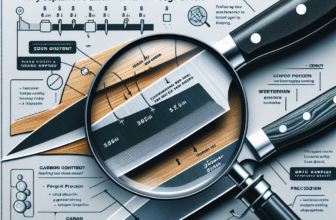
The craftsmanship of Japanese knives often involves traditional techniques such as hand-forging.
The Process
- Tamahagane Steel: A pure form of steel created from iron sand, used in high-quality knife production.
- Multiple Folds: The steel is folded multiple times to create layers, enhancing durability and sharpness.
Heat Treatment
The tempering process is critical in achieving the desired balance of hardness and flexibility.
Importance in Knife Making
- Hardness Levels: Japanese knives typically reach hardness levels of 58-65 HRC (Rockwell Hardness Scale).
- Resulting Performance: Higher hardness translates to a sharper edge, thus improving performance and longevity.
Handle Construction
The handles of Japanese knives are equally significant as they affect both comfort and functionality.
Materials
- Wooden Handles: Often made from materials like ho wood or octagonal wa handles.
- Ergonomics: Designed to facilitate a comfortable grip for extended use, ensuring stability and control while cutting.
Caring for Your Japanese Knives
Proper Cleaning and Maintenance
To maintain the integrity and performance of your Japanese knives, consistent care is essential.
Cleaning Tips
- Hand Wash Only: Avoid dishwashers, which can damage blades and handles.
- Use Mild Detergents: Gently scrub with a soft cloth to prevent scratches.
Sharpening Techniques
Regular sharpening is vital to keep your knife performing well.
Methods
- Whetstone: Traditional Japanese sharpening stones are preferred to achieve an exceptional edge.
- Angle Maintenance: Maintaining the correct sharpening angle (15-20 degrees for most Japanese knives) is crucial for effective sharpening.
Why You Should Invest in Japanese Knives
Culinary Precision
Investing in a high-quality Japanese knife provides unmatched precision in food preparation, allowing for enhanced flavor and presentation.
Craftsmanship
The artistry involved in the creation of Japanese knives produces unique pieces that can serve as both tools and art objects in your kitchen.
Longevity
With proper care, Japanese knives can last a lifetime, making them a worthy investment for any cooking enthusiast.
Conclusion
The art of Japanese knives encapsulates centuries of tradition, craftsmanship, and cultural significance. Whether you’re a professional chef or a home cook, understanding the attributes and benefits of these culinary masterpieces can transform your cooking experience. Investing in a Japanese knife not only enhances your techniques but also connects you to a rich legacy of culinary excellence.
FAQ: The Art of Japanese Knives
1. What is the best Japanese knife for beginners?
The Santoku knife is an excellent choice for beginners due to its versatility and ease of use. Its shorter length and ergonomic design make it accessible for novice cooks.
2. How do I maintain the sharpness of my Japanese knife?
To maintain sharpness, regularly use a whetstone to sharpen the blade at the appropriate angle. Proper cleaning and storage also contribute to longevity.
3. Can I use Japanese knives for Western cooking?
Yes, Japanese knives like the Gyuto are designed for versatility, making them suitable for both Western and Asian cooking techniques.
4. How often should I sharpen my Japanese knife?
The frequency of sharpening depends on usage, but it’s generally recommended to sharpen your knife every few months. Regular honing may be required between sharpenings.
5. Are Japanese knives worth the investment?
Absolutely. Given their exceptional craftsmanship, precision, and longevity, Japanese knives offer excellent value for both professional chefs and home cooks looking to elevate their culinary skills.
6. What should I do if my knife gets rust?
If rust develops on your Japanese knife, gently scrub it with a non-abrasive scrubber and some cooking oil to remove the rust. Following this, ensure proper drying and oiling to prevent further rusting.
7. Where can I buy authentic Japanese knives?
Authentic Japanese knives can be purchased from reputable culinary stores, specialized online retailers, or directly from artisans in Japan. Always check for authenticity and quality before purchasing.
This comprehensive look into the art of Japanese knives provides culinary enthusiasts with valuable insights into enhancing their culinary experience through these exceptional tools. Embrace the craftsmanship and precision that Japanese knives offer, and take your culinary skills to new heights!
The Best Japanese Knives from Sakai Takayuki: Complete Guide
If you’re looking for the best Japanese knives, don’t miss exploring our selection of Sakai Takayuki knives to discover the finest handcrafted blades.