The Art of Precision: Exploring the Craftsmanship Behind Japanese Knives

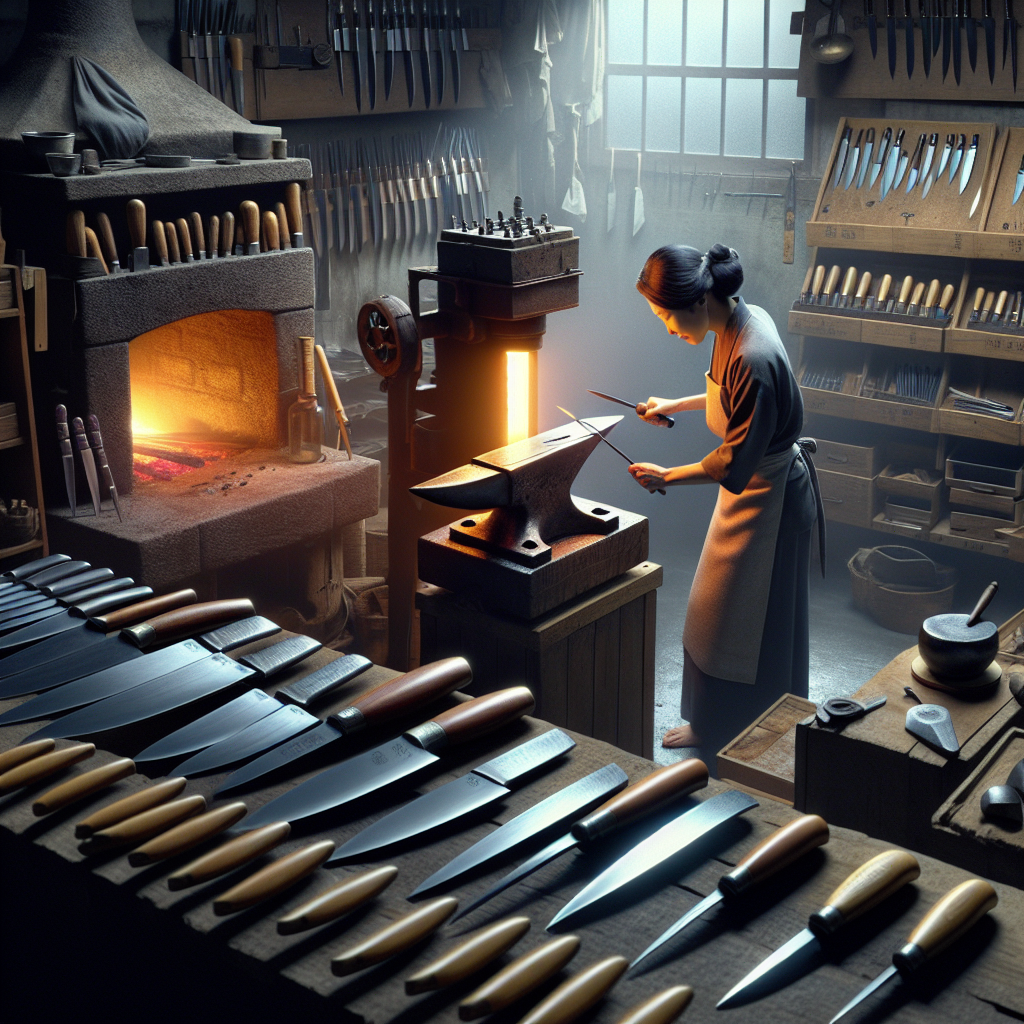
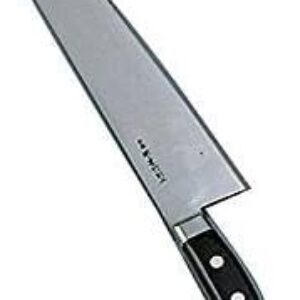
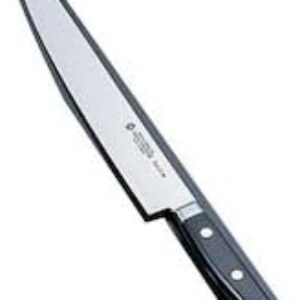
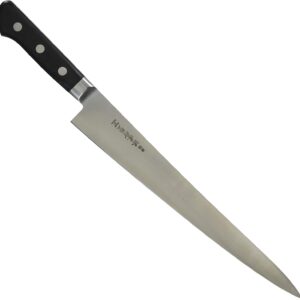
Japanese knives have long been celebrated for their unmatched craftsmanship and exceptional performance in culinary settings. This article delves into the intricate artistry involved in the creation of Japanese knives, highlighting their historical significance, the various types, and the meticulous techniques that make them stand out in the culinary world. Understanding the art behind these knives not only elevates one’s cooking experience but also deepens appreciation for the tradition and skill that has been passed down through generations.
The Historical Context of Japanese Knives
Ancient Origins
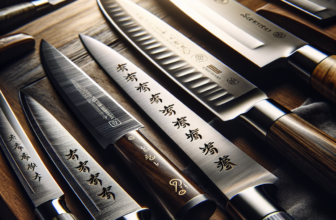
The history of Japanese knives traces back centuries, with roots entrenched in samurai culture and sword-making. Initially, the techniques used for crafting swords were adapted for culinary knives, resulting in tools that were not only functional but also beautifully designed. Blacksmiths in regions like Sakai and Miki became renowned for their exceptional craftsmanship, producing blades that combined traditional skills with innovative techniques.
The Evolution of Design
Over time, Japanese knives evolved, transitioning from heavy, broad blades to lighter, finely honed tools. The sharpness and precision of these knives are attributed to the traditional methods of differential hardening, where the edge of the blade is hardened while the spine remains softer, allowing for flexibility and durability. This evolution highlights the commitment to quality and function that remains fundamental to Japanese knife-making.
The Craftsmanship Behind Japanese Knives
Materials and Tools Used
Japanese knives are crafted from high-quality materials that contribute to their performance and aesthetics.
Steel Types
-
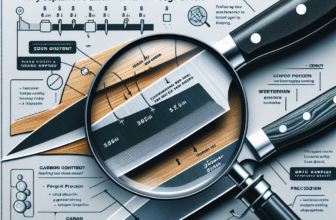
- Carbon Steel: Known for its ability to hold a sharp edge, carbon steel is a favorite among professional chefs. It requires careful maintenance to prevent rusting but delivers unparalleled sharpness.
-
- Stainless Steel: Easier to maintain than carbon steel, stainless steel is resistant to corrosion and staining, making it a popular choice for everyday use.
-
- High-Carbon Stainless Steel: This combines the best of both worlds, providing sharpness and corrosion resistance.
Construction Techniques
Traditional techniques include forging, where blacksmiths hammer and shape the steel, and the process of folding, which involves layering and welding sheets of metal to create a strong, flexible blade. Many craftsmen also incorporate techniques like “Tsuchime,” a method that adds hammered texture to the blade, reducing drag while chopping.
The Importance of Balance and Design
A well-balanced knife ensures comfort and precision while cutting. The weight distribution of a Japanese knife, often achieved through the design of the handle and blade, allows chefs to have better control.
Handle Materials
Japanese knife handles are typically made from materials such as:
-
- Wood: Traditional woods like magnolia or walnut provide an aesthetic appeal and excellent grip.
-
- Synthetic Materials: Modern handles may utilize synthetic composites for enhanced durability and ease of maintenance.
Honing and Maintenance
To maintain the sharp edge of a Japanese knife, regular honing and appropriate care are necessary.
Honing Techniques
Using a whetstone is the most traditional and effective method for sharpening Japanese knives. The angle at which the blade is sharpened is crucial, typically between 10 to 15 degrees.
Care Tips
-
- Washing: Always hand wash and dry immediately to prevent moisture damage.
-
- Storage: Use a magnetic strip or knife block to store knives safely, preventing dulling of the edge.
Different Types of Japanese Knives
Gyuto (Chef’s Knife)
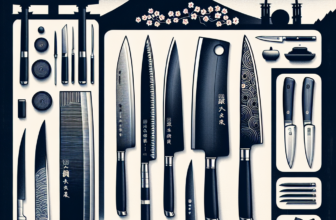
The Gyuto is a versatile knife, ideal for slicing, chopping, and mincing. Its design reflects a balance of eastern and western styles, making it a staple in both professional and home kitchens.
Santoku
The Santoku, translating to «three virtues,» is designed for slicing, dicing, and mincing. Its wide blade allows for easy transfer of food from the cutting board to the pot.
Nakiri
Designed specifically for vegetables, the Nakiri has a straight blade that excels at chopping and mincing without bruising the produce.
Deba
The Deba is a heavy-hitting knife used primarily for fish and poultry. Its thick spine provides the strength necessary for filleting, making it an essential tool in Japanese kitchens.
The Modern Influence of Japanese Knives
Culinary Trends
With the rise in popularity of Japanese cuisine worldwide, the demand for Japanese knives has surged. Chefs and culinary enthusiasts alike are now exploring the unique qualities these knives offer, leading to a greater appreciation of traditional knife-making techniques.
Workshops and Education
In Japan, many artisans offer workshops and lessons on the art of knife-making and maintenance. These workshops provide invaluable insights into the intricate processes involved, fostering a deeper connection between the craftsman and the end user.
Global Brand Influence
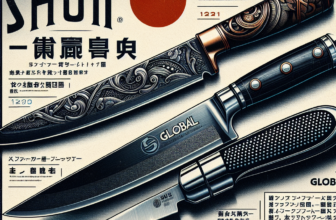
Brands like Shun, Global, and Masamoto have gained international acclaim for their high-quality Japanese knives. These brands maintain traditional craftsmanship while incorporating modern technology, appealing to a global audience.
Frequently Asked Questions (FAQ)
1. What is the primary difference between Japanese and Western knives?
Japanese knives are typically lighter, sharper, and more delicately balanced compared to their Western counterparts. They are designed for precision cutting, while Western knives tend to be heavier and sturdier.
2. How should I care for my Japanese knife?
Always hand wash your Japanese knife, dry it immediately, and store it in a safe place. Regular honing with a whetstone will help maintain its sharp edge.
3. Why are Japanese knives more expensive than other knives?
The craftsmanship involved in making a Japanese knife is extensive, often taking years of training. High-quality materials and traditional methods contribute to their higher price point.
4. Can I use a Japanese knife for all types of food?
While Japanese knives are versatile, each type is specifically designed for certain tasks. For example, a Gyuto is excellent for meats, while a Nakiri is optimized for vegetables.
5. How often should I sharpen my Japanese knife?
The frequency of sharpening depends on usage. Professional chefs may sharpen their knives daily, while home cooks might sharpen them every few weeks or months, depending on how often they use them.
6. What is the best steel for a Japanese knife?
The best steel is subjective and depends on your needs. Carbon steel offers superior sharpness, while stainless steel provides easier maintenance.
7. Are there specific brands known for high-quality Japanese knives?
Yes, some respected brands include Shun, Global, and Masamoto. Each has a unique style and focus on quality craftsmanship.
Conclusion
The craftsmanship behind Japanese knives is a beautiful blend of art, tradition, and precision. As culinary tools, they transcend mere function, becoming an extension of the chef’s skill and artistry. Understanding the history, materials, and techniques involved in their creation enhances the appreciation for these exceptional tools, making them not only valuable kitchen assets but also tokens of culture and craftsmanship. Whether you’re a professional chef or a home cook, investing in a quality Japanese knife can significantly elevate your cooking experience.
The Best Japanese Knives from Sakai Takayuki: Complete Guide
If you’re looking for the best Japanese knives, don’t miss exploring our selection of Sakai Takayuki knives to discover the finest handcrafted blades.